Introduction
Although vitamin C is one of the most widely recognized immunity/organ health foods, it is involved in many other processes within the body. The most vital vitamin involved in collagen production, wound healing, cell protection against oxidative stress, improved iron absorption and healthy skin, blood vessels, bones and connective tissues. You’ll find here comprehensive knowledge about the most common vitamin C deficiency symptoms and signs, its causes and risk factors, treatment options and practical measures of prevention
The human body either cannot make vitamin C or stores only a modest amount of the vitamin and so must be ingested periodically from food or supplements. If food intake stays low for weeks or months, the level of vitamin C will slowly decrease, and there is a risk of a deficiency.
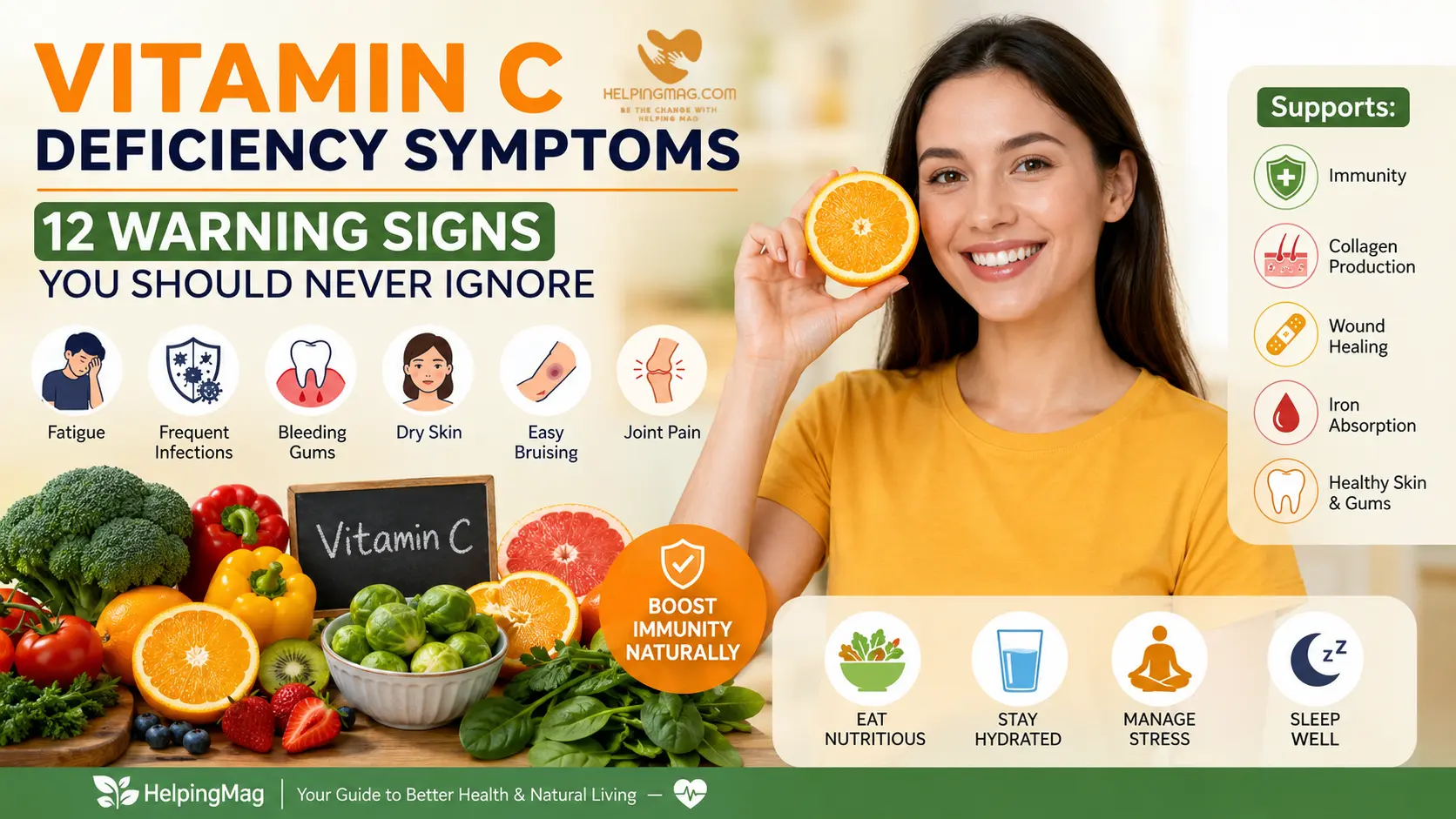
Initial signs of vitamin C deficiency are also often overlooked, and they may involve lassitude, easily recurring infections, bleeding gums, dry skin, wounds failing to heal promptly or joint pain. These symptoms can manifest for different kinds of health conditions so that many people tend to ignore the deficiency until it escalates into seriousness.
Fortunately the lack of vitamin C is generally avoided by eating a well balanced diet that includes plenty of fruit and vegetables. If you can spot the symptoms in the early stages, you can correct it before it becomes a serious health issue.
What Is Vitamin C?
Vitamin C, also known as ascorbic acid, is a water-soluble vitamin that plays a vital role in many biological processes.
Humans, unlike some animals, are unable to synthesize vitamin C. It has meant, therefore, that reliance is complete on food or in a few instances on supplements to ensure the body gets all the required nutrients in a day.
Vitamin C helps:
- Produce collagen
- Support immune function
- Cell protection against oxidative damage
- Improve iron absorption
- Promote wound healing
- Maintain healthy skin
- Promote the health of bones and blood vessels
However, it will not store up in high quantities, since it is water soluble. Consuming it regularly, through diet, is therefore necessary.
Why Vitamin C Is Important
The National Institutes of Health (NIH) have identified vitamin C as being vital to collagen production, immune system function, protecting against oxidative damage, wound healing and better absorption of non-heme iron found in plant-based foods.
Vitamin C is vital for:
- Strong immunity
- Healthy skin
- Faster wound healing
- Healthy gums
- Better iron absorption
- Reduced oxidative stress
Vitamin C is a key component in normal immune function and those already having Signs of Weak Immunity may want to assess their vitamin C levels.
What Causes Vitamin C Deficiency?
Normally, a vitamin C deficiency evolves slowly with diets that are consistently low in vitamin C.
Deficiency may be due to several reasons.
Poor Diet
Not eating a sufficient amount of fruits and vegetables is the most prevalent one.
Those who eat a high level of processed food and low levels of raw vegetables and fruits could be gradually deficient.
Smoking
Smoking also puts a strain on the body as a whole, raising its need for vitamin C.
Smokers tend to need more vitamin C per day than non-smokers.
Digestive Disorders
Some digestive diseases may lead to less absorption of nutrients.
Examples include:
- Crohn’s disease
- Celiac disease
- Inflammatory bowel disease
Proper digestive health will enhance the absorption of nutrients from foods. If you’re looking for natural ways to improve digestive function, check out our post on How to Improve Gut Health Naturally, which summarizes a few healthy lifestyle habits.
Poor Eating Habits
Those with a very restrictive diet or limited availability of fresh fruits/vegetables might be considered a higher risk.
Alcohol Dependence
Alcohol use over time can lead to less consumption of food and nutrients and have an impact on how the nutrients are absorbed.
Who Is Most at Risk?
Everyone may have a vitamin C deficiency but some people are at more risk than others.
These include:
- Older adults
- Smokers
- Those who are affected by digestive trouble
- Those who suffer from an eating disorder
- Individuals on super strict diets
- Those that suffer with alcohol dependence
Taking periodic medical checkups and eating a balanced diet can minimize deficiency risks.
12 Warning Signs of Vitamin C Deficiency
1. Persistent Fatigue
One of the first indications of a vitamin C deficiency is feeling constantly tired.
If no additional vitamin C is provided, normal metabolic processes are less efficient and people may feel:
- Low energy
- Weakness
- Reduced motivation
If the fatigue persists, it is important to seek medical attention because the condition can be caused by nutritional deficiencies like Vitamin B12 Deficiency symptoms.
2. Frequent Infections
Vitamin C contributes to various aspects of immune function.
Those who aren’t eating enough vitamin C might have side effects that include:
- Frequent colds
- Longer recovery time
- Recurrent infections
If you are prone to illness frequently, we have more information in our article on Signs of Weak Immunity that might help you understand more about what are some common signs and what you can do to help support your immune system.
3. Slow Wound Healing
Collagen needs to be made with vitamin C.
Cuts, scrapes, and surgery might take longer than usual to heal if there isn’t sufficient collagen.
If healing is delayed, it is essential to always talk to a health care provider about it.
4. Bleeding Gums
Strong connective tissue is essential for healthy gums.
Due to low vitamin C, it may lead to:
- Bleeding while brushing
- Swollen gums
- Gum tenderness
Bleeding gums must not be ignored.
5. Dry or Rough Skin
Vitamin C is important for the production of healthy collagen.
Deficiency can cause:
- Dry skin
- Rough texture
- A loss of elasticity in the skin
Eating a diet with plenty of nutrients promotes healthy skin over time.
6. Easy Bruising
Collagen makes blood vessels stronger.
As collagen declines, blood vessels are less stable and bruising takes place more readily—even following minor collisions or injuries.
7. Joint Pain
Vitamin C strengthens connective tissues, cartilage and collagen.
Symptom deficiency can be associated with:
- Joint discomfort
- Muscle aches
- Stiffness
People who suffer long-term with muscle pain may also be interested to learn more about Magnesium Deficiency Symptoms because magnesium is also a necessity for good muscle function.
8. Poor Iron Absorption
Vitamin C is good for absorbing the iron in plant food.
Eating few or no meals containing meat can also lead to iron deficiency, as can a diet low in vitamin C.
Possible symptoms include:
- Weakness
- Pale skin
- Fatigue
- Shortness of breath
It’s essential to have a healthy balance of vitamins.
9. Loose Teeth
Extreme vitamin C deficiency can cause loss of teeth supporting tissues.
The lack of treatment will occasionally lead to losing teeth, though it’s a rare problem nowadays.
10. Dry Hair and Split Ends
Good nutrition is critical to maintaining healthy hair.
Vitamin C deficiency can lead to:
- Dry hair
- Brittle strands
- Increased hair breakage
There are so many factors that affect hair health – it’s important that one can properly assess it.
11. Mood Changes
According to some people with long-lasting vitamin C deficiency, they experience:
- Irritability
- Low mood
- Difficulty concentrating
Good diet, physical activity and using Healthful Stress Management Tips can contribute to emotional well-being.
12. Scurvy
The most severe vitamin C deficiency is called “scurvy”.
Symptoms may include:
- Extreme fatigue
- Severe gum disease
- Joint pain
- Poor wound healing
- Loose teeth
- Anemia
Today, scurvy is not seen very often, but it can happen when a person eats a highly restricted diet of vitamin C.
Vitamin C and Immunity
The ability of vitamin C to boost immunity is well known. It is beneficial to the activity of white blood cells, safeguards cells from oxidative damage and aids in the natural defence of the body against infections.
Those with vitamin C deficiency may have:
- Frequent colds
- Longer recovery times
- There is decreased resistance to infections
Although vitamin C is beneficial, it’s best to support it with a healthy lifestyle. Balanced nutrition, regular exercise, good sleep and stress management are important elements of this.
Vitamin C and Skin Health
Collagen is a structural protein which is essential for healthy skin as it provides strength and elasticity.
Vitamin C is an important component of Collagen, which helps promote:
- Firm skin
- Healthy blood vessels
- Strong connective tissues
- Faster wound healing
Eating a well-rounded diet comprising plenty of fruits and vegetables will benefit not only your skin’s health, but it will also replenish antioxidants to keep your skin from getting damaged by the environment.
Vitamin C and Heart Health
Vitamin C can have a role in promoting heart health through healthy blood vessels and antioxidant effects protecting cells from damage.
While the vitamin C by itself won’t stop heart disease, it’s a part of the healthier diet that also has the following other components:
- Fruits
- Vegetables
- Whole grains
- Healthy fats
- Lean proteins
Individuals who already have High Blood Pressure symptoms should pay close attention to dietary choices with a nutritional approach and to building a habit of regular exercise and routine medical consultation in order to maintain a healthy heart over the long-term.
Likewise, a healthy cholesterol is essential to maintain the blood vessels’ health. If you aren’t experiencing any symptoms to heighten your awareness, our guide on High Cholesterol Symptoms can help you understand the importance of getting regular cholesterol screening.
Best Foods Rich in Vitamin C
A diet containing the balance of nutrients can be a good way to keep vitamin C levels in check.
Citrus Fruits
Excellent choices include:
- Oranges
- Lemons
- Grapefruits
- Limes
Berries
Berries are a rich source of vitamin C and antioxidants and contain fiber.
Examples include:
- Strawberries
- Blueberries
- Raspberries
Tropical Fruits
Many tropical fruits have natural vitamin C that consists of:
- Kiwi
- Papaya
- Pineapple
- Mango
- Guava
Vegetables
Fruits and vegetables that are good for you include:
- Bell peppers
- Broccoli
- Brussels sprouts
- Tomatoes
- Cabbage
Leafy Greens
Vitamin C and numerous other nutrients are offered by spinach and kale.
A diet rich in colourful fruits and vegetables is essential for developing immunity as well as maintaining a healthy digestive tract. The diffused wastes are converted to nutrients that allow the body to make better use of vitamins and minerals and maintain a healthy digestive system. Read more about natural ways to improve gut health in our detailed article, How to Improve Gut Health Naturally.
Foods That May Reduce Nutritional Quality
There are no foods that can be said to “get rid of” vitamin C, but some foods and their consumption habits can diminish the desirable nutrient content of food.
Try to limit:
- Highly processed foods
- Sugary drinks
- Deep-fried foods
- Excessive alcohol
- Ultra-processed snacks
These foods can be swapped for fresh, whole foods, enhancing the nutritional value of meals.
Do You Need Vitamin C Supplements?
Vitamin C requirements are easily obtained from food for most people who are healthy.
But supplements can be useful to people with:
- Individuals who are diagnosed with deficiencies
- People with high dietary starchy quoits or those with little fruits and vegetables intake
- In smokers (and those who have higher requirements for vitamin C)
- Patients suffering from some digestive ailments
A supplement can be used in addition to, and never as a substitute for, a balanced diet.
For those who consume multivitamins daily, knowing the Best Time to Take Multivitamins can help optimize nutrient absorption and contribute to a healthy lifestyle.
Daily Routine to Maintain Healthy Vitamin C Levels
Regularly eating your daily servings of fruits and veggies is the best prevention breccia.
Morning
- Start the day with a glass of water.
- Have breakfast with fresh fruit.
- Take some time to be outside if at all possible.
Afternoon
- Include salad as part of your lunch.
- Eat fruits as snacks instead of processed foods.
- Be sure to hydrate all day.
Evening
- Make a healthy meal that includes vegetables and low fat protein.
- Never eat foods that are highly processed.
Before Bed
- Try to get 7-9 hours of good sleep.
- Follow a routine for going to sleep at night.
These little things help support Immunity and well-being.
Prevention Tips
Vitamin C deficiency can be prevented in many cases.
These are simple steps to take to reduce your risk:
- Include a lot of fruits and vegetables each day.
- Eat whole foods instead of processed foods.
- Don’t smoke as much as possible.
- Limit excessive alcohol intake.
- Stay physically active.
- Manage stress effectively.
- Have periodic health assessments.
Eating well has a positive effect on almost all systems in the body.
When to See a Doctor
See your health care provider if you have any of these symptoms:
- Persistent fatigue
- Frequent infections
- Slow wound healing
- Bleeding gums
- Easy bruising
- Joint pain
- Unexplained weakness
Your healthcare provider may be able to run blood tests or test your diet to find out if the symptoms you are experiencing are due to a vitamin C deficiency or other health conditions.
Frequently Asked Questions
The initial symptom of a vitamin C deficiency is…?
Some initial signs are continuous tiredness, bile oases and bleeding gums.
Is Anemia a problem in vitamin C deficiency?
Yes. Vitamin C aids the body to absorb iron from plant sources. Some people may develop iron-deficiency anemia if they don’t get enough vitamin C.
Am I consuming an adequate amount of vitamin C from food?
In most cases, yes. For most healthy adults, sufficient vitamin C is found in a daily diet of a variety of fruits and vegetables.
Is vitamin C deficiency common?
Mild deficiency can be seen in individuals with poor dietary habits or who have a condition that intimacy the uptake of the nutrients, but severe deficiency is rare in developed countries.
Does cooking affect vitamin C?
Yes. The Vitamin C content may vary in some foods depending on the length of cooking as it is sensitive to heat. To retain the most vitamin, light steaming or raw eating of certain fruits and vegetables can be beneficial.
Conclusion
Vitamin C is a vital nutrient, which plays a role in immunity, collagen production, wound healing, skin health and wellbeing. The body can’t store or make enough of vitamin C on its own, so it’s important to get it from a well-balanced diet.
Knowing the vitamin C deficiency symptoms early means you know to take steps before more severe complications occur to ease symptoms like frequent infections, bleeding gums, slow wound healing, and dry skin.
You can help strengthen the immune system by consuming vitamin C rich foods, healthy lifestyle habits and seeking medical guidance on continual symptoms to maintain lifelong health.
Keep in mind that health is not an overnight affair – it’s a daily practice. Minor nutritional changes now can have a big impact for many years in the future.