Introduction
Around 800,000 Americans each day are at risk for stroke and heart disease caused by high cholesterol, yet more than a million people don’t know that they have it. High cholesterol generally does not have any symptoms and will progress over many years. This makes it difficult to detect unless it is on a routine blood test or as part of a cardiovascular event. This comprehensive guide covers all the questions and answers you would have regarding high cholesterol symptoms, causes, at risk patients and lifestyle changes for long term heart support.
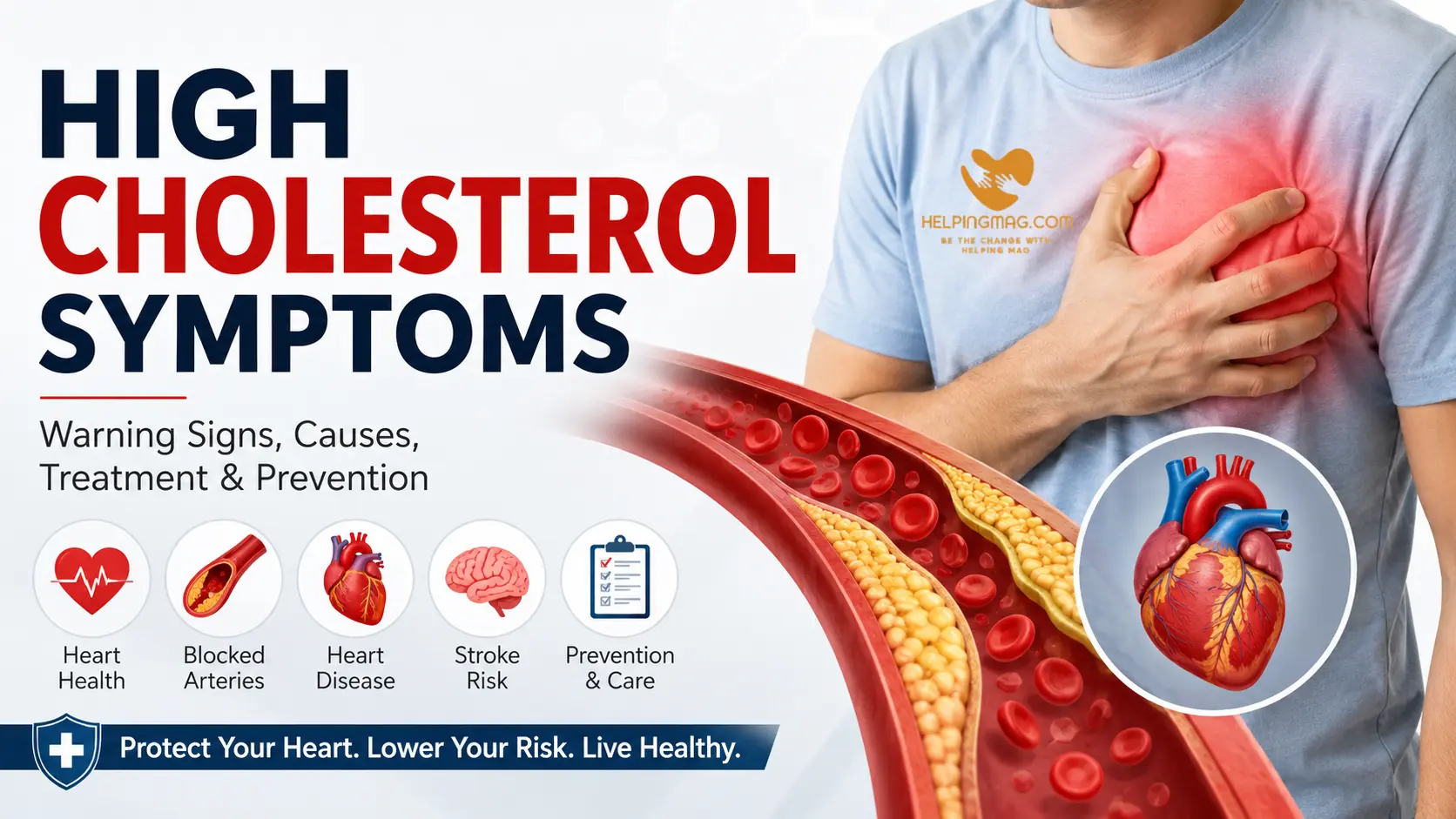
There is no such thing as bad cholesterol. Actually, your body demands cholesterol which creates proper cells, produces hormones and helps in a lot of critical biological functions. When the level of “bad” cholesterol is too high for prolonged periods, fatty plaque deposits can start to form inside the arteries, causing problems. This process causes blood vessels to constrict, limits blood flow, and can lead to a heart attack, stroke and peripheral artery disease.
The good news is, proper nutrition, exercise, maintaining a healthy weight, and regular medical screenings have the potential to prevent or manage high cholesterol. By answering these questions, you can know signs of trouble, risk factors, and precautions regarding your heart’s health so that you can help avoid problems.
What Is Cholesterol?
Cholesterol is a type of fat (lipid) that is present in all cells. It is made naturally in the liver, and found in some foods as well.
The body’s role in cholesterol is to:
- Build healthy cells
- Produce hormones
- Make vitamin D
- Develop bile acids to aid in digestion
- Promote normal cell function
Cholesterol is necessary but too much or excess of the bad kind can get in the way.
Healthy cholesterol levels are a key factor in decreasing the risk of cardiovascular disease, according to the American Heart Association.
Types of Cholesterol
The various kinds of cholesterol have different functions, which helps to figure out how it relates to heart disease.
LDL (Low-Density Lipoprotein)
LDL is what is often referred to as “the bad cholesterol“.
The excess amounts of LDL start to deposit within the artery walls.
Over time this may:
- Narrow arteries
- Reduce blood flow
- Increase the risk of heart attack
- Raise blood pressure and the likelihood of a stroke
HDL (High-Density Lipoprotein)
HDL is sometimes referred to as “good cholesterol“.
It assists to remove excess cholesterol from the bloodstream and transports it back to the liver for processing and elimination.
In general, people with high HDL levels have heart health.
Triglycerides
Another type of blood fat is called triglycerides.
In addition to high LDL and low HDL levels elevated triglycerides add to cardiovascular risk.
Why High Cholesterol Is Dangerous
One of the biggest risks of high cholesterol is that it shows little to no treatment signs in the early stages.
On the other hand, little by little, cholesterol deposits form within arteries.
This could result in impaired circulation to important body parts like:
- Heart
- Brain
- Kidneys
- Legs
With time untreated high cholesterol increases the possibilities of:
- Heart attack
- Stroke
- Peripheral artery disease
- High blood pressure
- Coronary artery disease
For those with High Blood Pressure Symptoms, cholesterol levels are especially important because these two diseases frequently occur in tandem and are both tremendous risk factors for cardiovascular disease.
Can High Cholesterol Cause Symptoms?
But usually, there are no symptoms of high cholesterol.
That is why routine blood tests to check your cholesterol are so vital.
After accumulating many years, however, cholesterol can develop warning signs and problems that are associated with heart disease and/or poor flow.
The following are signs that should not be overlooked.
10 Warning Signs That May Be Associated With High Cholesterol
1. Chest Pain (Angina)
Narrowed arteries can cause chest pain if they have less blood flowing through them.
The pain experienced is described as:
- Tightness
- Pressure
- Burning sensation
- Heaviness
When someone complains of chest pain, it is critical to involve a health care professional in the evaluation process immediately.
2. Shortness of Breath
Some people have symptoms when the heart does not pump out blood effectively due to arteries narrowing, such as:
- Difficulty breathing
- Reduced exercise tolerance
- Difficulty breathing while doing everyday tasks
3. Fatigue
Less circulation can cause muscles and organs to not get enough oxygen.
People commonly report:
- Low energy
- Weakness
- Difficulty completing daily activities
Fatigue can also be a chronic condition and could stem from nutritional issues. When fatigue persists after sufficient rest, our Vitamin B12 Deficiency Symptoms Guide will discuss another fatigating symptom.
4. Pain While Walking
Leg cramping, heaviness or pain while walking could be signs of bad blood flow as a result of constricted arteries.
The pain typically improves with rest.
5. High Blood Pressure
Often, high cholesterol and high blood pressure go hand in hand.
As cholesterol accumulates in the walls of the arteries, the blood vessels narrow and become less malleable, making the heart have to work harder.
Seeing blood pressure is elevated should also be accompanied by an in-depth discussion on the Subject – “Modern Guidelines on High Blood Pressure Symptoms” which will explain in detail how both of these conditions affect long-term heart health.
6. Yellow Deposits Around the Eyes
Some people have yellowish soft cholesterol deposits around the eyes (without pressure).
These deposits are called “xanthelasma” and can be a sign of high cholesterol.
Although usually painless, they should be evaluated by a healthcare professional.
7. Numbness or Cold Hands and Feet
If a person’s circulation is poor, blood flow to their extremities may be diminished.
Possible symptoms include:
- Cold feet
- Cold hands
- Tingling sensations
- Numbness
One thing which should be monitored closely by people suffering with diabetes is circulation issues. Our article on Early Signs of Diabetes can also help if you have been noticed to have a lot of thirst or urination or fatigue, that you have not found the cause of.
8. Stroke Warning Signs
An obstruction of blood to the brain may cause emergency changes which might include:
- Sudden weakness
- Difficulty speaking
- Facial drooping
- Loss of balance
- Vision problems
If you experience these symptoms, they should be treated immediately by emergency medicine.
9. Heart Attack Symptoms
When arteries are blocked, they can turn into a heart attack, which can be severe.
Possible warning signs include:
- Chest pain
- When the pain radiates up the arm, jaw or back
- Cold sweating
- Shortness of breath
- Nausea
A heart attack is a medical emergency.
10. No Symptoms at All
Often, no symptoms are present, which is the “symptom” of having high cholesterol.
Many individuals don’t know that they have high cholesterol, until they receive a routine blood test.
The best way to find the condition before it causes any symptoms is for people to receive regular cholesterol screenings.
Causes of High Cholesterol
There are lots of factors that can cause high blood pressure. Genetics have an important role, however, so many people have high cholesterol levels due to their lifestyle.
Unhealthy Diet
Certain foods, such as saturated fats, trans fats, processed goods, sugared drinks and fried foods, increase LDL (bad) cholesterol levels and decrease HDL (good) cholesterol levels.
Some foods that can contribute to poor cholesterol include:
- Processed meats
- Deep-fried foods
- Fast food
- Pastries
- Chips
- Sugary beverages
Over time, the healthiest foods, such as fresh fruits, vegetables, whole grain products and lean proteins can make a great improvement in cholesterol levels.
Lack of Physical Activity
Exercise increases HDL or good cholesterol lowers LDL and TGs.
Individuals that spend a lot of hours sitting are often more vulnerable to heart disease.
Brisk walking, cycling, swimming, yoga and other easy physical activities can make a difference once you get going.
Being Overweight or Obese
Too much body fat, particularly around your waist, may lead to unhealthy levels of cholesterol.
Any sort of weight loss, even 10 to 20 pounds, can help block the formation of cholesterol and blood pressure.
Smoking
Smoking has a detrimental effect on blood vessels as well as HDL cholesterol.
Giving up smoking is one of the single biggest measures you can take for better heart health.
Excessive Alcohol Consumption
Excessive consumption of alcohol can raise triglyceride levels and lead to obesity, liver damage and high blood pressure.
In order to keep the heart healthy, there is a need for Moderation.
Genetics
Sometimes, people are born with conditions like familial hypercholesterolemia which means they have high cholesterol, no matter what they do.
Regular cholesterol screening is particularly important if close family members have heart disease or high cholesterol.
Risk Factors
There are a number of things that can make it more likely that you will develop high cholesterol.
These include:
- Age over 40
- History of heart disease in the family
- Diabetes
- High blood pressure
- Smoking
- Obesity
- Physical inactivity
- Unhealthy diet
- Chronic stress
Individuals who have more multiple risk factors should have cholesterol levels monitored very carefully along with a health care provider.
High Cholesterol and Heart Disease
Excessive cholesterol levels are a common cause of heart disease.
As the LDL cholesterol blocks artery walls, they become filled with plaque over time. As the arteries age, they narrow and become stiff which makes it difficult for the blood to make its way to the heart.
The process can eventually result in:
- Coronary artery disease
- Heart attack
- Heart failure
- Stroke
Healthy cholesterol levels eliminate many of these risks.
High Cholesterol and Diabetes
Many people who have Type 2 diabetes also have high cholesterol; cholesterol and Type 2 diabetes have similar health and lifestyle risk factors.
If your cholesterol is not under control, people with diabetes have a greater risk of having cardiovascular disease.
If you’ve experienced any of the 3 New Early Signs of Diabetes, our article offering a detailed explanation of what these signs mean, will be of great help to you.
Best Foods to Lower Cholesterol Naturally
One of the best diets that you can do to improve your cholesterol is a heart-friendly diet.
Oats and Whole Grains
In addition to soluble fibre, which slows down the absorption of LDL cholesterol, oats are also rich in fibres.
Some other healthy alternatives are:
- Brown rice
- Quinoa
- Whole wheat bread
Fruits
Antioxidants and fiber found in apples, berries, oranges, pears and grapes are beneficial to cardiovascular health.
Vegetables
Broccoli, Brussels sprouts, leafy greens and carrots are rich in nutrients that can keep blood vessels healthy.
It’s important to consume foods loaded with vegetables, fruits, whole grains, and fermented foods for optimal heart and digestive health. Having a well-functioning digestive system ensures that your body is able to absorb the nutrients you need and can help to lower chronic inflammation. To read more on “How to Improve Gut Health Naturally“, you can check out this guide.
Healthy Fats
Here are some umpteen alternatives to saturated fats:
- Olive oil
- Avocados
- Almonds
- Walnuts
- Chia seeds
- Flaxseeds
Fatty Fish
Omega-3 fatty acids are beneficial for healthy cholesterol levels and can be obtained from salmon, sardines and mackerel.
Beans and Lentils
Legumes are an excellent source of protein, fiber, and contain little saturated fat.
These are really good to incorporate into a heart healthy diet.
Nutrients That Support Heart Health
A team of nutrients all plays a role in keeping the cardiovascular system healthy.
Magnesium regulates muscle or nerve activity, including that of the heart. Poor sleep, muscle cramps and fatigue are other common symptoms of low magnesium, so if you’re feeling these symptoms regularly, check out our article on Magnesium Deficiency Symptoms for a possible solution.
Vitamin D has other important functions in well-being besides its role in bone health. If a man reports a loss of energy, muscle weakness or fatigue, he should read the Vitamin D Deficiency Symptoms in men to know how vitamin D can affect his long-term health.
Foods to Limit
Limiting foods that aren’t healthy is important, too.
Try to limit:
- Processed meat
- Deep-fried foods
- Butter
- Full-fat dairy products
- Sugary snacks
- Sweetened beverages
- Excess salt
- Packaged foods
Eating healthy food at home regularly can have a positive impact on a person’s cardiovascular well-being.
Daily Routine for Healthy Cholesterol
Morning
- Have a glass of water on waking.
- Have a high-fibre breakfast – such as oats with fruit.
- Take a 20–30 minutes walk or activity.
Afternoon
- Pick vegetables for lunch time.
- Eat fruit or eat unsalted nuts as a snack.
- Keep hydrated all day.
Evening
- Have a well-balanced evening meal, which should include lean meats and vegetables.
- Don’t eat too much in the evening.
- Go for a short walk after dinner.
Before Bed
- Don’t spend too much time in front of screens.
- Sleep for 7—9 hours of good quality sleep.
- If necessary, use relaxation techniques.
Individuals experiencing chronic stress may have a greater risk of not following a healthy lifestyle. These Stress Management Tips for practice can be helpful in terms of improving mental health and cardiovascular health, too.
Prevention Tips
Many high cholesterol cases can be avoided by adopting healthy living habits.
Helpful strategies include:
- Exercise regularly.
- Keep safe weight levels by maintaining a healthy weight.
- Eat more fruits and vegetables.
- Increase dietary fiber.
- Quit smoking.
- Limit alcohol.
- Get enough sleep.
- Manage stress.
- Have periodic cholesterol checks.
All of this makes for happy, healthy hearts, and healthy bodies too.
When to See a Doctor
If you have any of the following symptoms, please see your health care professional:
- Chest pain
- Shortness of breath
- Pain while walking
- Family history of heart disease
- High blood pressure
- Diabetes
- High cholesterol in previous blood tests
Adults should get cholesterol checked as outlined by their health care provider, even if they do not have symptoms.
Frequently Asked Questions
Does high cholesterol have symptoms?
Most people don’t have any symptoms until some damage to the arteries has already occurred due to cholesterol.
Which is the quickest way to decrease cholesterol?
The best strategy is to address eating healthy, exercise, weight and medication if needed.
What is the effect of exercise on cholesterol?
Yes. Exercise regularly to boost HDL (good) cholesterol; this can lower LDL cholesterol.
Does high cholesterol run in your family?
Yes. There are some genetic conditions that patients are born with that result in high cholesterol despite lifestyle changes.
How often do we need to check cholesterol?
Adults need to follow their healthcare provider’s suggestions. Anyone who has risk factors might need more frequent testing.
Conclusion
High cholesterol can cause no noticeable symptoms and frequent health screening and blood tests are important for an early diagnosis. While some people don’t have any symptoms, high cholesterol can lead to serious health issues such as heart disease, stroke and more, after a short time.
It is hoped that the good news will be conveyed: healthy lifestyle modifications—such as nutrition, exercise, weight management and smoking cessation—can significantly lower cholesterol levels and cardiovascular risk.
Today, before it becomes a serious issue, knowing and understanding the warning signs, recognizing the risk factors and following preventive measures can keep your heart healthy for a lifetime.