Introduction
Worldwide, high blood pressure (hypertension) is responsible for one of the leading causes of heart disease, stroke, kidney disease and death. Doctors estimate that millions of people have high blood pressure but don’t realize it because high blood pressure can develop over several years. In this guide you will learn about the most common high blood pressure symptoms, causes, risk factors, prevention strategies and how to achieve a healthy blood pressure naturally
High blood pressure rarely has any identifiable symptoms, unlike many diseases. Hence this is called “silent killer“. Hypertension often comes to the attention of the majority of people for the first time when they receive a healthcare assessment or have a severe health incident.
Fortunately, by identifying warning signs at an early stage and being aware of the risk factors, early action can be taken to avoid permanent damage. Complications can be significantly avoided by lifestyle changes, proper nutrition, regular exercise, stress management and early detection.
What Is High Blood Pressure?
Blood pressure refers to the force that blood applies to the sides of your arteries as your heart circulates the blood.
The blood pressure is expressed in two numbers:
- Systolic Pressure: The pressures that occur during the heart’s contraction.
- Diastolic Pressure: The blood pressure when the heart is not pumping blood.
The American Heart Association estimates that high blood pressure poses additional pressure to your blood vessels and heart, making you even more likely to develop heart attack, stroke, kidney disease, and other heart and blood vessel complications when you have it all the time.
Blood pressure less than 120/80 mmHg is considered normal. Medical evaluation is crucial if readings continue to exceed recommendations.
Why High Blood Pressure Is Dangerous
Nearly all body organs are affected by high blood pressure.
If not managed properly, they have potential to cause damage to:
- Heart
- Brain
- Kidneys
- Eyes
- Blood vessels
Uncontrolled Hypertension can lead to risk of:
- Heart attack
- Stroke
- Heart failure
- Kidney failure
- Vision loss
- Memory problems
One of the biggest risks is that many people walk around feeling perfectly fine, with damage going on in the body that they are unaware of.
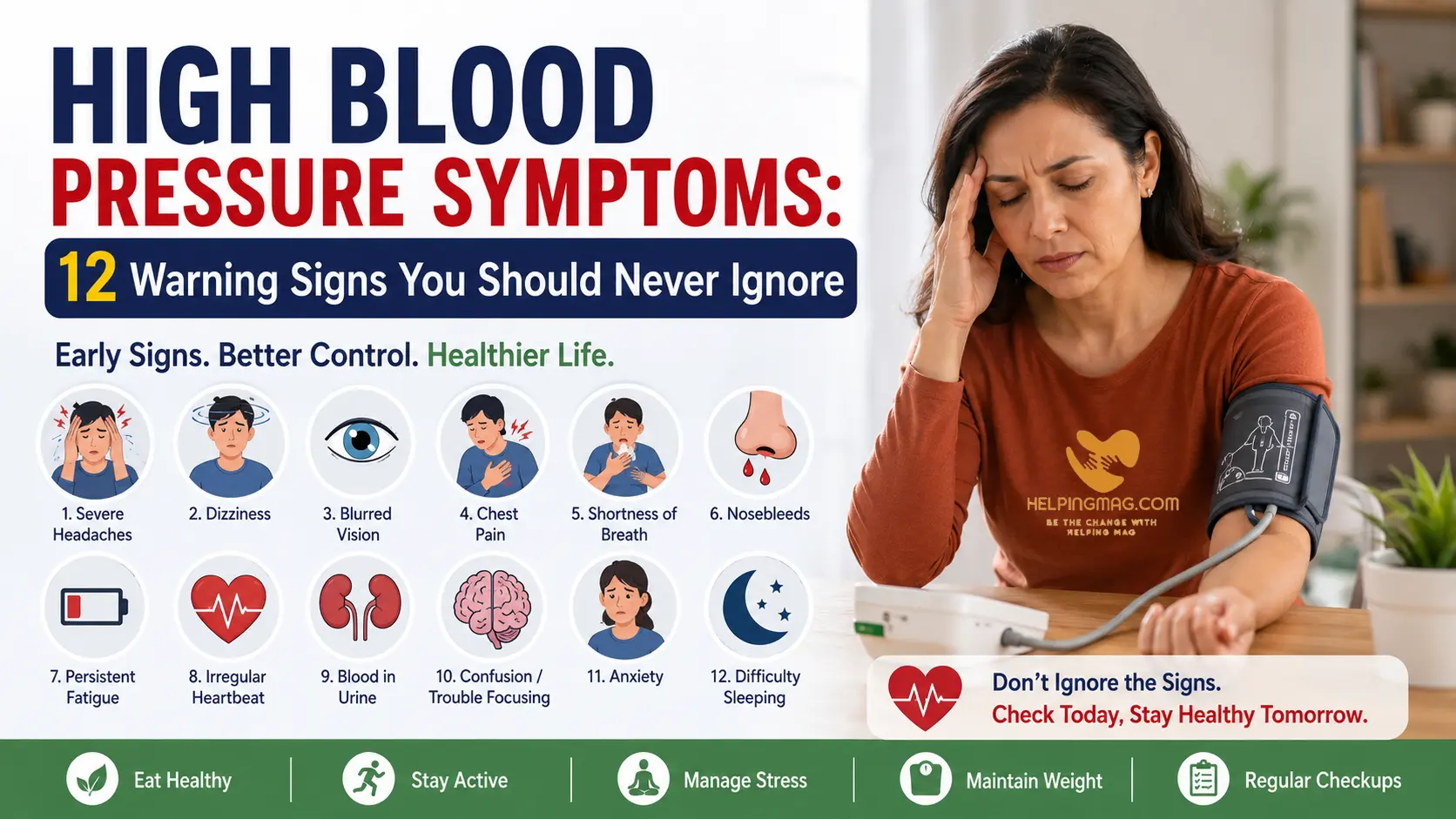
12 Warning Signs of High Blood Pressure
Symptoms of hypertension usually do not appear when the condition first occurs, but sometimes people might have signs of high blood pressure, particularly if it reaches high levels.
1. Severe Headaches
Sometimes headaches happen often or profoundly, as a result of the blood pressure climbing a lot.
These headaches often:
- Feel intense
- Occur suddenly
- May experience some dizziness
Headaches do not always indicate hypertension, but any headaches that just won’t go away or are very bad should not be taken lightly at all.
2. Dizziness
During periods of severe hypertension some people have dizziness or lightheadedness.
Symptoms may include:
- Feeling faint
- Loss of balance
- Difficulty standing quickly
Since there are numerous different causes of dizziness, it is important to have the proper medical reassessment.
3. Blurred Vision
High BP can cause blood vessels in the eyes to get damaged.
Possible symptoms include:
- Blurred vision
- Double vision
- Difficulty focusing
- Temporary vision changes
Restoring healthy blood pressure is also beneficial for preserving long-term eye health.
4. Chest Pain
Chest discomfort should be always taken seriously.
High blood pressure causes the heart to work harder, and increases risks for:
- Chest tightness
- Pressure
- Physical activity pain
If chest pain persists, go to the doctor.
5. Shortness of Breath
As blood pressure is related to the function of the heart, some people get:
- Difficulty breathing
- Breathlessness with exercise
- Reduced exercise tolerance
It is important that these symptoms be assessed quickly.
6. Nosebleeds
Frequent nosebleeds are rare but can occur in people who have a very high blood pressure.
Nosebleeds that happen more than once or if they come for no known reason should be medically evaluated.
7. Persistent Fatigue
There are many people who have uncontrolled hypertension that have complained of:
- Low energy
- Tiredness
- Reduced physical performance
Persistent fatigue is a common complaint among people with uncontrolled high blood pressure. However, tiredness can also be caused by nutritional deficiencies. If your fatigue continues despite adequate sleep, you should also read our guide on Vitamin B12 Deficiency Symptoms to understand whether low vitamin B12 could be contributing to your symptoms.
8. Irregular Heartbeat
It can also cause high blood pressure which can strain the heart.
Some people notice:
- Heart palpitations
- Irregular heartbeat
- Racing heart
These symptoms need to be always addressed with a healthcare practitioner. An irregular heartbeat is not always caused by high blood pressure. In some cases, electrolyte imbalances such as low magnesium levels may also affect heart rhythm. Learn more in our article on Magnesium Deficiency Symptoms.
9. Blood in Urine
Over time, high blood pressure can cause damage to the function of the kidneys.
In more extreme cases, blood can be seen in the urine.
It is a symptom which should be looked at right away.
10. Disorientation or trouble with concentration
High blood pressure can cause blood to clot in the brain.
Possible symptoms include:
- Mental confusion
- Difficulty concentrating
- Poor memory
- Slower thinking
If neurological symptoms continue it must never be disregarded.
11. Anxiety
For some people, anxiety occurs during a period of abnormally high blood pressure.
Chronic stress may also lead to increased blood pressure.
Healthy Stress Management Tips can help promote healthy overall cardiovascular health.
12. Difficulty Sleeping
Sleep issues and high blood pressure are interrelated.
Those suffering from high blood pressure may experience:
- Difficulty falling asleep
- Frequent nighttime awakening
- Poor sleep quality
Better sleep patterns could contribute to good heart health.
Can High Blood Pressure Have No Symptoms?
Yes.
A major problem that happens with hypertension is that despite maintaining high blood pressure, many individuals do not realize that they have a problem.
Regular blood pressure checks should be made for this reason.
A number of people are only diagnosed once they begin to develop complications like:
- Stroke
- Heart attack
- Kidney disease
- Vision problems
One of the easiest methods for identifying hypertension is to have routine health assessments.
High Blood Pressure and Other Health Conditions
High blood pressure rarely exists alone.
It is associated with typically:
- Diabetes
- Obesity
- High cholesterol
- Kidney disease
- Sleep apnea
Individuals with Early Signs of Diabetes and/or those trying How to Improve Gut Health Naturally should also focus on cardiovascular health because healthy lifestyle practices can positively impact more than one condition.
Causes of High Blood Pressure
High blood pressure is caused by genetics, lifestyle and the environment. Many cases are associated with habit-related risk factors that can be modified; and some individuals are at higher risk due to their genes.
Unhealthy Diet
Too much sodium (salts), saturated fat, added sugar and eating too many processed foods can lead to a slowly rising blood pressure. Too much sodium can result in the body retaining water, thereby increasing pressure in the vessels.
Physical Inactivity
People who carry out a sedentary lifestyle have become fragile in their heart and circulatory system. Exercise promotes the healthy pumping function of the heart and good blood pressure.
Being Overweight or Obese
The excess body weight puts stress on the heart, which causes high pressure in the arteries.
Chronic Stress
Prolonged stress can lead to behavioral changes, like eating more, not sleeping well, smoking or using too much alcohol, which can raise blood pressure. If your everyday life has begun to be part of the stress, check out our Stress Management Tips.
Smoking
Smoking weakens blood vessels and makes them less flexible and raises greatly the chance of heart diseases and high blood pressure.
Excessive Alcohol Intake
Excessive drinking can raise blood pressure and possibly make blood pressure treatments less effective.
Family History
The risk of hypertension is higher in family members of people who have hypertension.
Aging
Arteries tend to get less flexible as persons get older and high blood pressure becomes more prevalent.
Risk Factors
The risk of hypertension can be raised by certain factors.
These include:
- Age over 40
- History of hypertension in the family
- Obesity
- Diabetes
- High cholesterol
- Smoking
- Physical inactivity
- High-sodium diet
- Chronic kidney disease
- Long-term stress
If you have one or more of the risk factors, it doesn’t mean you will definitely get high blood pressure, but it does mean that you need to take more frequent health checks. People with Type 2 diabetes are significantly more likely to develop hypertension because both conditions share common risk factors, including obesity and insulin resistance. If you’re experiencing unusual thirst, frequent urination, or unexplained fatigue, read our article on Early Signs of Diabetes.
High Blood Pressure and Heart Health
Your heart is at work 24 hours a day pumping blood around your body. Prolonged high blood pressure for many years forces the heart to put more effort in than normal.
This additional tension can over time result in:
- Enlarged heart
- Heart failure
- Coronary artery disease
- Heart attack
- Irregular heartbeat
One of the best ways to maintain a healthy cardiovascular system is to keep your blood pressure on the healthy side.
High Blood Pressure and Kidney Health
The kidneys have a large number of small blood vessels which filter waste out of the blood.
These delicate blood vessels can eventually become damaged from persistent hypertension, and therefore will diminish kidney function over time.
Signs of kidney problems may include:
- Swelling in the legs
- Fatigue
- Changes in urination
- Protein in the urine
One of the best methods to preserve kidney wellness is to manage blood pressure.
Best Foods for Healthy Blood Pressure
Maintaining a healthy blood pressure is one of the easiest things to do with a healthy diet. Foods that are high in nutrients help to nourish the body, reduce inflammation, and promote cardiovascular health.
Leafy Green Vegetables
Spinach, kale and Swiss chard contain good amounts of potassium, which may help balance sodium and maintain normal blood pressure.
Fresh Fruits
There are fruits like bananas, berries, oranges, and apples that offer antioxidants, vitamins, minerals and fiber which are good for the heart.
Whole Grains
Whole grains such as oats, brown rice, quinoa, and whole wheat bread will help improve the health of the heart and maintain healthy cholesterol levels, as they are a good source of fiber.
Lean Protein
Lean protein, like fish, skinless chicken, beans, lentils and low fat dairy foods, are good options to provide protein your heart can use without a lot of saturated fat.
Healthy Fats
Olive oil, avocados, almonds, walnuts and seeds are a good source of healthy fats which could be beneficial for the heart, as long as they are included in a healthy diet.
A good diet of vegetables, fruits, whole grains and fermented foods is healthy for blood pressure and also good for your digestive health. A normal digestive tract allows for better absorption of key nutrients.
An adequate diet also supports good levels of vitamins and minerals. If a man continues to feel low on energy, weak muscles and still energetic then he should also read our article Vitamin D Deficiency Symptoms in Men and vitamin D is an important nutrient for the overall health and may play a role with some other nutrients which support the cardiovascular system.
Foods to Limit
Restricting some foods can help to control blood pressure.
Reduce intake of:
- Packaged snacks
- Processed meats
- Sugary drinks
- Fast food
- Excess salt
- Deep-fried foods
- Highly processed desserts
If you make small improvements with your diet, it can make a big difference over time.
Daily Routine for Healthy Blood Pressure
Making lifestyle changes that help you stay healthy can make a difference every day.
Morning
- Have a glass of water after awaking.
- Have a well-balanced morning meal that includes protein and whole grains.
- If possible, walk for 20-30 minutes.
Afternoon
- Stay hydrated.
- Add vegetables to lunch supplies.
- Avoid sugary beverages.
- Get up and stretch periodically if working in a seated position.
Evening
- Avoid the last meal at least 2 hours before going to bed.
- Reduce processed foods.
- Take a light walk after dinner.
Before Bed
- Limit screen time.
- Learn deep breathing/relaxation exercises.
- Get 7–9 hours of good-quality sleep.
It is more important that this is consistent rather than drastic short-term changes.
Prevention Tips
Many people can avoid having high blood pressure at all due to a few health improvements.
Helpful strategies include:
- To be of ideal weight.
- Spend a minimum of 150 minutes per week being active.
- Reduce sodium intake.
- Increase fruits and vegetables in diet.
- Quit smoking.
- Limit alcohol consumption.
- Manage stress effectively.
- Get enough sleep.
- Take blood pressure checks on regular basis
These behaviors are not only helpful to keep blood pressure healthy, but also help keep you healthy overall. Good physical habits like eating a healthy diet, drinking sufficient water, 7 to 8 hours of sleep and exercise help maintain cardiovascular health and immunity. If you are getting sick often, you should read this article about Signs of Weak Immunity, which shows you what might be a problem and how to boost immunity.
When to See a Doctor
If you have any of these symptoms, please seek medical advice:
- Persistent high blood pressure (for the recommended blood pressure range)
- Severe headaches
- Chest pain
- Shortness of breath
- Vision changes
- Dizziness
- Irregular heartbeat
When the blood pressure is high and there are other severe symptoms like chest pain, confusion, speaking difficulty, sudden weakness, the person should seek medical attention.
Frequently Asked Questions
Are headaches a result of hypertension?
Headaches are not common in those who have blood pressure. But extremely high blood pressure can lead to very severe headaches and need immediate medical care.
Can high blood pressure be treated?
It can be controlled and managed with medical treatment, if used, and lifestyle changes—and cured in some cases.
Does stress cause high blood pressure?
Yes. In the short term, stress can raise blood pressure, and it could promote unhealthy life styles that impact heart health in the long term.
Is there a link between exercise and reduced blood pressure?
Adults who exercise regularly are making their hearts stronger and may help keep their blood pressures level.
How often should I check my blood pressure?
High blood pressure should be monitored by adults regularly, particularly if there is a family history of high blood pressure, obesity, and diabetes.
Conclusion
High blood pressure is sometimes referred to as the “silent killer” because it can happen with no symptoms and slowly cause damage to the blood vessels, kidneys, brain and heart.
Some people have symptoms including problems with their head, dizziness, blurriness, tiredness or discomfort in their chest; many may not have any symptoms. So blood pressure screening is one of the most effective strategies for early detection of hypertension.
If you follow a healthy lifestyle by staying an average weight, following a heart-healthy diet, exercising regularly, managing stress and getting routine medical care, you can help lower your risk of developing high blood pressure and the related health problems.
Small steps now can prevent heart disease, enhance your health and help you live longer.