Introduction
Iron is a mineral that is indispensable to the proper functioning of the body and is necessary to maintain good health and energy. Promotes the formation of hemoglobin, the protein found in red blood cells that transports oxygen to all body tissues and organs. Iron deficiency occurs when there is not enough iron to make healthy red blood cells and often results in iron deficiency anemia. Here you will get complete information about the most common iron deficiency symptoms, possible causes of iron deficiency, factors that increase the risk of iron deficiency, treatment of iron deficiency, and how to prevent iron deficiency naturally.
Iron deficiency is a widespread nutritional deficiency among all age groups in the world. Women of procreation age, pregnant women, children, vegetarians, and persons with some digestive diseases are at increased risk. Low iron levels can be seen over time, however, in people with poor diets, chronic blood loss or insufficient iron absorption.
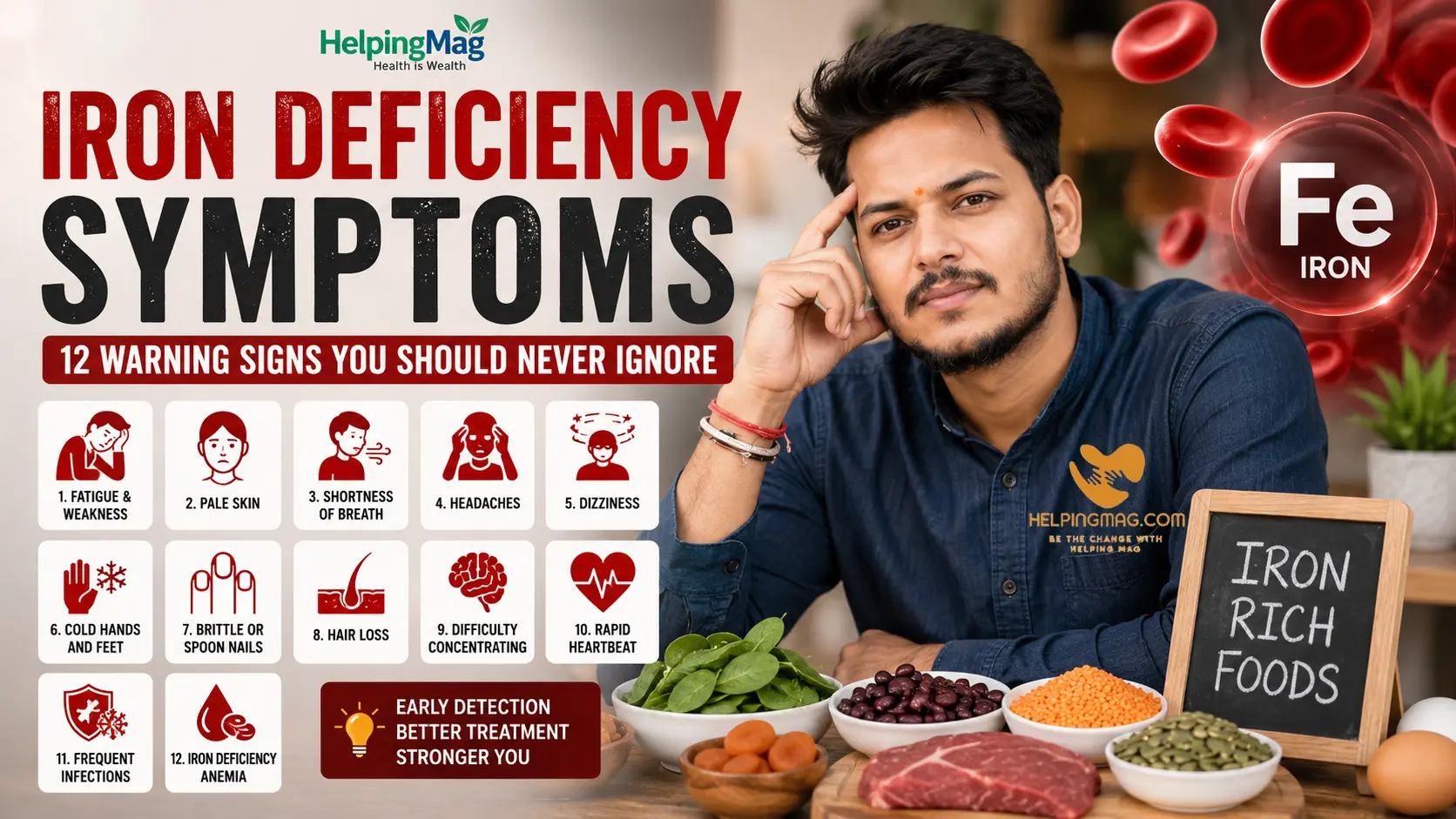
Iron deficiency symptoms may start slowly and gradually and can include being tired all day, pale skin, dizziness, headaches, shortness of breath, brittle nails or trouble concentrating. These symptoms may be present in many health issues, and are not always diagnosed until the deficiency is more noticeable.
The great good comes from the fact that iron deficiency is, for the most part, treatable. Early detection of warning signs, changes in diet to include foods high in iron, and treatment of the underlying condition can help restore normal levels of iron and enhance the overall state of health.
What Is Iron?
Iron is a mineral that the body requires for growth, energy production and the transport of oxygen. The iron in hemoglobin is primarily used to transport oxygen to the body.
Iron also supports:
- Production of healthy red blood cells
- Normal immune function
- The development of the brain, thinking skills
- Muscle performance
- Energy metabolism
The body needs no iron for its production; it obtains this from food or supplements when needed.
Why Iron Is Important
The National Institutes of Health (NIH) indicates that iron is required for the synthesis of haemoglobin and myoglobin which carry and store oxygen in the body. Iron is also involved in energy production, normal growth, neurological development and immune function.
Iron deficiency can cause your organs and muscles to not work as well as they should. This can cause fatigue, weakness, poor physical ability or decreased concentration over time.
Those who suffer from recurring infections along with reduced energy could also be interested in reading our article on Signs of Weak Immunity since a nutritional deficiency can affect the normal immune functions.
What Causes Iron Deficiency?
Iron deficiency occurs when the stores of iron in the body run out before they can be replenished.
Several factors can contribute to this condition.
Inadequate Dietary Intake
Iron deficiency is one of the most common causes of not eating enough foods containing iron.
Individuals who don’t eat enough iron in their diet, like those who eat fewer lean meats, legumes, leafy green vegetables, fortified cereals or beans may start to develop low iron levels over time.
Blood Loss
Chronic blood loss is also a common cause of iron deficiency.
Common sources include:
- Heavy menstrual periods
- Stomach ulcers
- Gastrointestinal bleeding
- Colon polyps
- Hemorrhoids
- Frequent blood donation
Continuous blood loss, even if only small amounts, can cause low iron stores over time.
Poor Iron Absorption
Some medical disorders can decrease the body’s iron absorption.
These include:
- Celiac disease
- Crohn’s disease
- Inflammatory bowel disease
- Previous stomach surgery
Nutrient absorption is an important part of a healthy digestive system. In our article How to Improve Gut Health Naturally, you will learn about some simple habits that will help improve gut health and overall nutrient usage.
Increased Iron Requirements
The body needs more iron at certain times of life.
Examples include:
- Pregnancy
- Breastfeeding
- Childhood growth
- Adolescence
During these times, it may be easier to become deficient if dietary intake is inadequate.
Who Is Most at Risk?
Iron deficiency can happen to any individual, but some are at a higher risk.
These include:
- Women who have heavy bleeding periods
- Pregnant women
- Children under 12 months
- Teenagers during rapid growth
- Vegetarians and vegans
- Older adults
- Those who are suffering from digestive disorders
- Frequent blood donors
Iron deficiency can be detected by regular medical examination before reaching a stage of serious symptoms.
12 Warning Signs of Iron Deficiency
1. Persistent Fatigue
Fatigue is one of the first and most common symptoms of iron deficiency.
A low number of healthy red blood cells in the body means that less oxygen is delivered to the muscles and organs. As a result, many people experience:
- Low energy
- Weakness
- Reduced stamina
- Problems with doing daily activities
Vitamin B12 Deficiency Symptoms also include persistent tiredness, which is why it is important to make a correct diagnosis before beginning supplements.
2. Pale Skin
A decrease in hemoglobin can cause skin to look paler than normal.
Some people also notice paleness inside the lower eyelids, gums, or nail beds.
3. Shortness of Breath
Iron deficiency leads to decrease in oxygen supply to the body.
Sometimes even walking and climbing stairs can be sufficient to make you breathless.
4. Frequent Headaches
A constant flow of oxygen-rich blood is essential to the brain.
Reduced oxygen delivery may contribute to:
- Frequent headaches
- Pressure around the forehead
- Lightheadedness
If your headaches are chronic, always seek medical advice to determine the cause of the pain.
5. Dizziness or Lightheadedness
Sometimes dizziness on standing up and during physical activity is related to iron deficiency.
This is because the brain receives less oxygen than it requires during this time.
6. Cold Hands and Feet
One of the sometimes symptoms of iron deficiency is that people feel unusually cold.
The lack of oxygen delivery could make it more difficult to maintain body temperature, resulting in cold hands and feet even in cooler temperatures.
7. Brittle or Spoon-Shaped Nails
Moisture and nutrition are essential for good nails.
Iron deficiency may contribute to:
- Thin nails
- Brittle nails
- Upright-looking nails (severe cases spoon-shaped nails)
This sign is rare but shouldn’t be ignored.
8. Hair Loss
Iron also plays a key role in nourishing the hair follicles and promoting healthy hair growth.
Some people might experience these symptoms if their iron is low over a long time:
- Increased hair shedding
- Thinner hair
- Slower hair growth
As hair loss can have a variety of causes, it’s necessary to get medical counsel, not assuming it’s only a case of iron deficiency anemia.
9. Difficulty Concentrating
Your brain needs oxygen to perform its best.
Low iron levels may contribute to:
- Poor concentration
- Brain fog
- Reduced attention span
- Memory difficulties
These symptoms may impact productivity, work and studies.
10. Rapid Heartbeat
If the amount of oxygen is reduced, the heart may pump faster to get oxygen throughout the body.
Some people experience:
- Heart palpitations
- Faster heartbeat
- Reduced exercise tolerance
People with any new or continuous chest discomfort, or heart beat irregularity, should get a prompt cardiac evaluation .
11. Frequent Infections
Iron plays a role in maintaining normal immune function.
However, the ability to get a strong response from infections depends on a number of factors, but can be compromised by chronic iron deficiency.
Our article on Signs of Weak Immunity will go into more detail about other changes in lifestyle and nutrition that will help the immune system.
12. Iron Deficiency Anemia
In the long run, iron deficiency may lead to iron deficiency anemia.
Symptoms may include:
- Severe fatigue
- Pale skin
- Shortness of breath
- Weakness
- Dizziness
- Reduced physical performance
If iron deficiency is detected early enough and treated appropriately, normal iron stores can be restored and permanent iron deficiency complications can be avoided.
Iron Deficiency and Anemia
Iron Deficiency and Iron Deficiency Anemia are not synonymous and are two different entities.
Iron deficiency is the onset of depletion of iron stores. Your red blood cell count may remain in the normal range, but you may begin to feel tired, get short of breath when exercising or struggle to concentrate at this stage.
Iron deficiency anemia occurs when the deficiency is so severe that hemoglobin production decreases. The protein that transports oxygen around the body is called haemoglobin and found in red blood cells. When there isn’t enough hemoglobin, tissues and organs get less oxygen, making symptoms more noticeable.
Your health care professional might order blood tests to help determine what is wrong as there are several deficiencies that can have similar symptoms. Vitamin B12 Deficiency Symptoms can also include a feeling of tiredness and weakness, so it is critical to make an accurate diagnosis before taking supplements.
Iron and Immunity
Iron is needed for good health of the immune system. It is involved in the normal function and development of immune cells that are implicated in the body’s response to infections.
Most importantly, a person’s immune system could not work as well when iron levels are kept low for too long, making them more vulnerable to disease. But several things are necessary for immunity; getting a good night’s sleep, engaging in regular exercise, coping with stress, and practicing good nutrition.
Best Iron-Rich Foods
The best method to achieve a healthy iron balance is to have a diversity of iron-rich foods.
Animal-Based Sources (Heme Iron)
Heme iron is generally absorbed more efficiently by the body.
Good sources include:
- Lean beef
- Chicken
- Turkey
- Fish
- Liver (in moderation)
- Eggs
Plant-Based Sources (Non-Heme Iron)
Plant Feeds are not as easily absorbed, but it can provide some valuable iron to your diet.
Excellent options include:
- Lentils
- Chickpeas
- Kidney beans
- Soybeans
- Tofu
- Spinach
- Kale
- Pumpkin seeds
- Sesame seeds
- Fortified breakfast cereals
Iron absorption can be significantly enhanced with plant sources of iron when consumed with foods containing vitamin C. Citrus fruits, strawberries, kiwi, bell peppers and tomatoes make great options. Read more details on the importance of this nutrient in our guide on Vitamin C Deficiency Symptoms, where we discuss how vitamin C supports healthy iron absorption.
Foods to enhance the absorption of iron
Iron can be more easily absorbed when following a few diet rules.
Consider these simple strategies:
- Eat vitamin C-rich foods alongside iron-rich meals.
- Include citrus fruits or berries with breakfast.
- Add tomatoes or bell peppers to salads and cooked dishes.
- Prepare meals using a variety of colorful vegetables.
- Maintain a healthy digestive system to support nutrient absorption.
The gut plays a key role in your body absorbing vitamins and minerals, and it is important it functions at its best. We have included an article on How to Improve Gut Health Naturally which provides some practical tips to help digestion and proper utilization of nutrients in the body.
Foods That May Reduce Iron Absorption
In large amounts, certain foods and drinks may interfere with non-heme iron absorption for a short period of time during an iron-rich meal.
These include:
- Tea
- Coffee
- Calcium-rich supplements
- Large amounts of dairy products taken with iron-rich meals
That doesn’t necessarily mean that you can’t have them again. Rather, try to take them at another time of the day if they are advised to due to an iron deficiency diagnosis from your healthcare provider.
Do You Need Iron Supplements?
The iron needs are easily met in most people’s diet. But supplements may be recommended for those who have a known iron deficiency or iron deficiency anemia.
Iron supplements should only be taken under medical supervision because excessive iron intake can be harmful.
Your healthcare provider may recommend supplements if you:
- Have iron deficiency anemia
- Experience chronic blood loss
- Are pregnant and have increased iron requirements
- Have digestive conditions that reduce iron absorption
If you have a habit of supplementing your diet regularly, then you may want to read our article Best Time to Take Multivitamins to see how some nutrients might be best absorbed as a part of a balanced approach.
Daily Routine to Maintain Healthy Iron Levels
There are small steps that can be taken daily to maintain iron stores on a long term basis.
Morning
- Start the day with a nutritious breakfast.
- Include vitamin C-rich fruit to support iron absorption.
- Stay hydrated.
Afternoon
- Choose a balanced lunch containing iron-rich foods.
- Add leafy green vegetables whenever possible.
- Spend some time walking or engaging in light physical activity.
Evening
- Eat a balanced dinner with lean protein, legumes, or vegetables.
- Avoid relying heavily on ultra-processed foods.
Before Bed
- Aim for 7–9 hours of quality sleep.
- Follow a consistent sleep schedule to support overall health and recovery.
Prevention Tips
It is much easier to prevent iron deficiency than to treat it .
Helpful strategies include:
- Eat a balanced diet containing iron-rich foods.
- Include vitamin C-rich fruits and vegetables with meals.
- Manage heavy menstrual bleeding with medical guidance when appropriate.
- Avoid unnecessary restrictive diets.
- Stay physically active.
- Schedule regular health checkups, especially if you are at higher risk.
Provision of adequate levels of other essential nutrients is also important. For instance, our article on Magnesium Deficiency Symptoms explains how the mineral plays a part in maintaining body functions related to muscle and nerve health, while Vitamin D Deficiency Symptoms in Men illustrates the function of vitamin D in bone and immune health.
When to See a Doctor
If you have any of these symptoms, please consult a doctor:
- Persistent fatigue
- Pale skin
- Frequent dizziness
- Shortness of breath
- Rapid heartbeat
- Unexplained hair loss
- Heavy menstrual bleeding
- Blood in the stool
- Symptoms that continue despite improving your diet
Your healthcare provider may suggest blood tests to check your iron level and to determine what is causing the iron deficiency.
Frequently Asked Questions
What is the first sign of iron deficiency?
Persistent fatigue and reduced energy are among the earliest symptoms. Some people also notice difficulty concentrating or becoming short of breath during physical activity.
Can iron deficiency cause hair loss?
Yes. Low iron levels may contribute to increased hair shedding in some individuals. However, hair loss has many possible causes, so proper medical evaluation is important.
Which foods are highest in iron?
Lean red meat, poultry, seafood, lentils, beans, spinach, pumpkin seeds, tofu, and iron-fortified cereals are among the best dietary sources.
Can vegetarians get enough iron?
Yes. Vegetarians can meet their iron requirements by eating a variety of iron-rich plant foods and pairing them with vitamin C-rich foods to improve absorption.
Can I take iron supplements without testing?
It is generally not recommended. Too much iron can be harmful, so supplements should only be taken after consulting a healthcare professional and confirming a deficiency.
Conclusion
Iron is a vital mineral, which is used to transport oxygen, generate energy, function the brain, and maintain a healthy immune system. Anemia occurs when the amount of iron is reduced to a level below normal, causing a decreased production of red blood cells and resulting in symptoms of fatigue, pale skin, dizziness, shortness of breath, brittle nails and difficulties with concentration.
Early identification of these iron deficiency symptoms enables timely medical attention and treatment of the underlying cause before the iron-deficiency progresses to anemia.
The vast majority of iron deficiency cases can be avoided by consuming a balanced diet where foods high in iron are eaten with food high in vitamin C, and healthy lifestyle practices are put in place. If symptoms persist or you are a member of the high-risk group, consult a healthcare provider for evaluation and treatment.
Taking care of your nutritional health today can help improve your energy levels, support your immune system, and contribute to better overall wellbeing for years to come.