Introduction
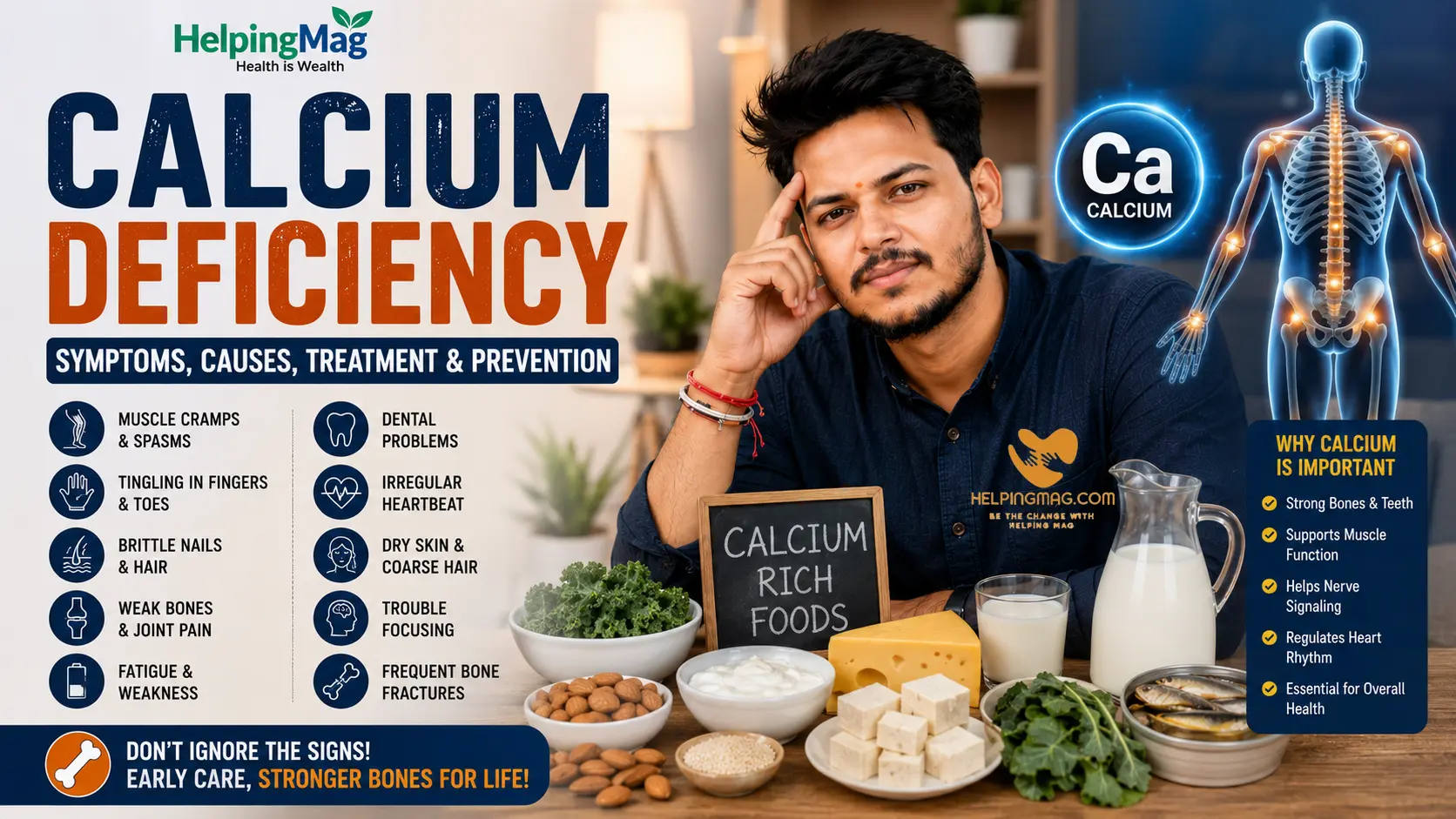
Ever get a sudden leg cramp in the middle of the night that jolts you awake? Or notice your nails snapping more easily than they used to? These little annoyances rarely make anyone think twice — but strung together, they can be your body’s quiet way of flagging low calcium. This guide walks through the main Calcium Deficiency Symptoms, what typically causes it, who’s most at risk, and practical food-based ways to build it back up.
Calcium is best known for building strong bones and teeth, but its job doesn’t stop there. It helps your muscles contract, keeps your heart beating on rhythm, and allows nerves to send signals properly. Since your bones act as calcium’s main storage bank, your body will actually pull calcium out of them when your diet falls short — which is exactly why long-term deficiency quietly weakens bone strength over the years.
Low calcium is especially common among older adults, women after menopause, and anyone who avoids dairy without replacing it with other calcium sources. Because calcium works closely with vitamin D for absorption, it’s worth reading alongside our guide on Vitamin D Deficiency Symptoms in Men, since a shortage in one often makes the other harder to manage.
What Is Calcium?
Calcium is a mineral your body needs in fairly large amounts compared to trace minerals like zinc or iron. Around 99% of it sits in your bones and teeth, giving them their strength and structure, while the remaining small amount circulates in your blood to support muscle and nerve function.
Think of it this way: your bones work like a savings account for calcium. When your daily diet doesn’t cover your body’s needs, it withdraws from that account — which keeps your blood calcium stable short-term, but slowly drains bone strength if it happens too often.
Why Calcium Matters for Your Health
The National Institutes of Health (NIH) explains that calcium supports bone structure, helps blood vessels and muscles function properly, and plays a role in nerve signaling and hormone release throughout the body.
Because your body treats bone calcium as a backup reserve, symptoms of deficiency often don’t show up quickly. Instead, the effects build gradually, which is part of why regular calcium intake matters more than people usually realize.
What Leads to Low Calcium Levels?
Not Getting Enough Through Diet
Diets that skip dairy, fortified foods, or leafy greens without replacing them with other calcium sources are one of the most common reasons levels drop over time.
Low Vitamin D Levels
Your body needs vitamin D to absorb calcium properly, so even a calcium-rich diet may not help much if vitamin D is running low. Our guide on Vitamin D Deficiency Symptoms in Men explains how the two nutrients work together.
Hormonal Changes
Estrogen plays a role in how well the body holds onto calcium, which is why calcium levels often drop faster in women after menopause.
Digestive or Absorption Issues
Conditions such as celiac disease, Crohn’s disease, or past intestinal surgery can interfere with how well your body absorbs calcium from food.
Certain Medications
Long-term use of some medications, including certain steroids and specific stomach acid reducers, can lower calcium absorption over time.
Kidney Problems
Since the kidneys help regulate calcium balance, chronic kidney issues can sometimes lead to lower calcium levels in the blood.
Who Tends to Be More at Risk?
- Postmenopausal women
- Older adults
- People who avoid dairy without substitutes
- People with digestive disorders
- Anyone with low vitamin D levels
- People on long-term steroid medication
Warning Signs of Low Calcium
1. Muscle Cramps and Spasms
Since calcium helps muscles contract and relax properly, low levels can cause cramping, twitching, or spasms, especially in the legs.
2. Tingling in Fingers and Toes
Calcium plays a role in nerve signaling, so a numb or tingling feeling in the hands and feet is a fairly well-known early sign.
3. Brittle Nails
Nails that crack, split, or break more easily than before can sometimes point toward low calcium, alongside other nutrient gaps.
4. Fatigue
Persistent low energy can show up with calcium deficiency, similar to patterns we cover in Magnesium Deficiency Symptoms, since both minerals influence muscle and nerve function.
5. Dental Problems
Because calcium supports tooth structure, long-term deficiency has been linked to weaker teeth and a higher risk of dental issues.
6. Weak or Brittle Bones
Over time, low calcium forces your body to pull reserves from your bones, which can gradually reduce bone density and raise fracture risk.
7. Irregular Heartbeat
Since calcium helps regulate muscle contractions, including the heart, very low levels can occasionally contribute to an irregular heart rhythm. Because heart-related symptoms can point to several different causes, it’s worth getting this looked at right away rather than waiting it out.
8. Memory or Concentration Issues
Some people report brain fog or trouble focusing when calcium levels drop, though this symptom often overlaps with other deficiencies too.
9. Dry Skin and Coarse Hair
Long-term calcium deficiency has sometimes been associated with skin dryness and changes in hair texture.
10. Frequent Bone Fractures
Bones that break more easily than expected, even from minor falls or bumps, can be a sign that calcium reserves have been low for a long time.
Calcium and Bone Health
Your bones are constantly being broken down and rebuilt in the background, and calcium is the raw material that the process depends on. When your diet doesn’t supply enough, your body borrows from bone tissue to keep blood calcium steady — a trade-off that works fine occasionally, but weakens bone density if it becomes routine.
This is a major reason osteoporosis becomes more common with age, particularly in women after menopause. Pairing adequate calcium with enough vitamin D, discussed in our Vitamin D Deficiency Symptoms in Men guide, gives your bones the best chance at staying strong long-term.
Calcium and Muscle & Nerve Function
Beyond bones, calcium is essential for how your muscles contract and how nerves send signals throughout your body. This is why cramping, tingling, and spasms are often among the earliest physical signs that levels are running low, well before any bone-related symptoms appear.
Best Foods High in Calcium
Dairy Sources:
- Milk
- Yogurt
- Cheese
Non-Dairy Sources:
- Leafy greens like kale and bok choy
- Fortified plant milks (soy, almond, oat)
- Tofu made with calcium sulfate
- Canned salmon or sardines with bones
- Almonds and sesame seeds
- Fortified breakfast cereals
Combining calcium-rich foods with enough vitamin D, whether from sunlight or diet, helps your body absorb and use calcium more effectively.
What Helps or Hurts Calcium Absorption
Habits that tend to help:
- Getting enough vitamin D through sunlight or food
- Spreading calcium intake across meals instead of one large dose
- Staying physically active, since weight-bearing exercise supports bone strength
Habits that can work against you:
- Excess sodium intake, which can increase calcium loss through urine
- Very high caffeine intake
- Smoking, which can interfere with calcium absorption over time
Do Calcium Supplements Make Sense for You?
Most people can meet their calcium needs through food, especially with a diet that includes dairy or fortified alternatives. Supplements are usually considered for people with confirmed low bone density, certain medical conditions, or diets that consistently fall short.
Taking too much calcium isn’t risk-free either — it has been linked to kidney stones and can interfere with how your body absorbs other minerals like iron and zinc. It’s best to check with a doctor before starting supplements. If you already take a daily multivitamin, our guide on Best Time to Take Multivitamins explains how timing can affect absorption.
A Simple Daily Routine to Support Calcium Levels
Morning: Have yogurt, fortified cereal, or a glass of fortified plant milk with breakfast.
Afternoon: Add leafy greens or a calcium-set tofu dish to lunch.
Evening: Include a serving of dairy, canned fish with bones, or almonds with dinner.
Throughout the Day: Spend some time outdoors for natural vitamin D, and stay active with regular movement or light exercise.
Practical Ways to Lower Your Risk
- Eat a mix of dairy and non-dairy calcium sources
- Keep vitamin D levels in check alongside calcium intake
- Limit excess sodium and caffeine
- Include regular weight-bearing exercise like walking or light strength training
- Avoid smoking
- Get bone density checked periodically if you’re in a higher-risk group
When to See a Doctor
Reach out to a healthcare provider if you notice:
- Frequent muscle cramps or spasms
- Ongoing tingling or numbness in hands and feet
- Bones that fracture easily
- An irregular heartbeat
- Persistent fatigue paired with other signs above
- Symptoms that don’t improve with dietary changes
A doctor can order a blood test or bone density scan to confirm whether calcium is behind your symptoms and recommend the right next steps.
Frequently Asked Questions
What’s usually the first sign of calcium deficiency?
Muscle cramps and tingling in the hands or feet tend to be among the earliest signs people notice.
Can low calcium affect your bones long term?
Yes, ongoing low calcium can weaken bones over time and raise the risk of fractures and conditions like osteoporosis.
Which foods are highest in calcium?
Dairy products, leafy greens like kale, fortified plant milks, tofu, and canned fish with bones are strong sources.
Can you get enough calcium without dairy?
Yes, combining leafy greens, fortified foods, tofu, and seeds can meet calcium needs without relying on dairy.
Is it safe to take calcium supplements without a doctor’s advice?
It’s best to check with a doctor first, since too much calcium can raise the risk of kidney stones and other issues.
Conclusion
Calcium does far more than build strong bones — it keeps your muscles, nerves, and heart working the way they should. Because your body treats bone tissue as a backup reserve, a diet that consistently falls short can quietly weaken bone strength long before any obvious symptoms appear.
Spotting early signs like muscle cramps, tingling, or brittle nails gives you a chance to correct course before bigger issues develop. For most people, a varied diet with enough vitamin D is all it takes to stay on track. If symptoms persist, a conversation with a doctor is always the safer next step.