Introduction
Indeed, diabetes is a chronic health condition that affects a lot of people worldwide. There are millions of people living with diabetes and many will not know that they have it until its complications become serious. This guide aims to discuss all the early signs of diabetes, risk factors, how the condition occurs, prevention and treatment
The positive thing to keep in mind on diabetes is that it will usually give forward warning indicators prior to turning into severe diabetes. Early diagnosis of these symptoms will enable you to get treatment, change lifestyles, and avoid further complications.
If you have any of the symptoms of mild fever, dry mouth, excessive thirst, increased urination, unexplained weight loss, or other symptoms, many do not think to connect them with thyroid issues. But these symptoms may be associated with high blood sugar.
What Is Diabetes?
Diabetes is a disease in which the body is unable to properly use a sugar called glucose, or blood sugar.
The most important energy source for the body is glucose. Insulin is a hormone that the pancreas makes and transports glucose from the blood to the cells.
Insufficient amounts of insulin or insulin resistance cause blood sugar levels to rise.
There are three types of diabetes:
Type 1 Diabetes
A condition where the immune system goes against the insulin producing cells.
Type 2 Diabetes
A form of diabetes which is most prevalent. The body loses sensitivity to insulin or it doesn’t make enough insulin.
Prediabetes
A condition in which there is too much glucose in the blood, but not enough to qualify as diabetes.
Sometimes, prediabetes will not progress if early intervention occurs.
Why Early Detection Matters
Nearly all of the organs in the body can be also affected by diabetes.
If not managed properly, high blood sugar can damage:
- Heart
- Blood vessels
- Kidneys
- Eyes
- Nerves
- Brain
Early detection and action can greatly minimize complications, as according to the CDC.
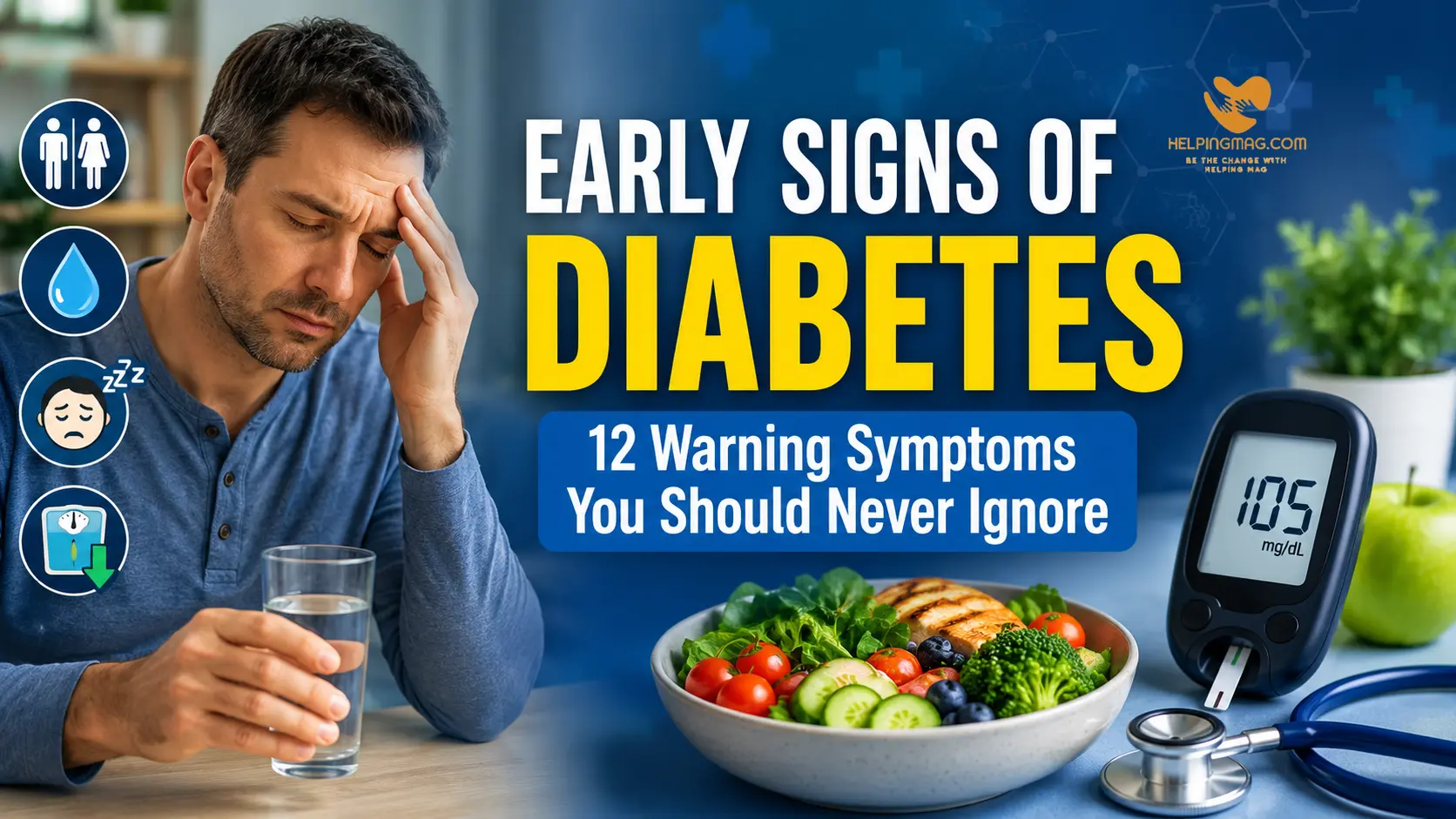
12 Early Signs of Diabetes
1. Frequent Urination
More frequent urination, particularly at night, is another common symptom of diabetes.
Excessive sugars in the blood force the kidneys to eliminate the excess sugars in the urine.
This can lead to:
- Increased bathroom visits
- Interrupted sleep
- Dehydration
2. Increased Thirst
Often people are thirsty as a result of the high urine output they have.
This may be left even after a hot day of drinking water.
3. Constant Hunger
The body has a problem getting energy when glucose doesn’t go in the same way.
This may result in:
- Increased appetite
- Frequent hunger
- Food cravings
4. Unexplained Weight Loss
If the body enters an energy-saving state, it switches to the burning of fat and muscle rather than glucose and results in sudden weight loss.
You could also find this guide on Sudden Weight Loss Causes informative and use it if you happen to be worried with this symptom.
5. Persistent Fatigue
Diabetes has a number of signs and symptoms, and fatigue is one of the initial ones.
Without efficient utilization of glucose, there is reduced energy production.
Common symptoms include:
- Low energy
- Weakness
- Reduced productivity
A few may also have symptoms similar to Vitamin B12 Deficiency Symptoms.
6. Blurred Vision
The lens of an eye is affected by high blood sugar.
Symptoms may include:
- Blurred vision
- Difficulty focusing
- Eye strain
Any vision changes should always be referred to a healthcare provider.
7. Slow Healing Wounds
If someone has diabetes, it may take him or her longer to heal from cuts, scrapes, and injuries.
Levelled blood sugar can impact circulation and immune system activity.
8. Frequent Infections
People with diabetes may experience:
- Skin infections
- Gum infections
- Urinary tract infections
Frequently getting sick can be mistaken for Signs of Weak Immunity.
9. Tingling or Numbness
The long term effects of high blood sugar damage nerves.
Symptoms include:
- Tingling in hands
- Tingling in feet
- Numbness
- Burning sensations
10. Dark Patches of Skin
Insulin resistance may be revealed by dark areas of skin, especially around the neck, under the armpits or folds at the groin.
This condition is known as acanthosis nigricans.
11. Dry Skin
Dehydration and poor circulation can be causes of itchy skin.
Any changes to the skin that don’t go away should not be overlooked.
12. Mood Changes
People’s mood and mental health can be influenced by blood sugar variations.
People may experience:
- Irritability
- Anxiety
- Difficulty concentrating
Stress Management Tips and a healthy lifestyle can help manage stress and contribute to overall well-being.
Causes and Risk Factors of Diabetes
Diabetes can occur in people who have a number of risk factors.
Family History
If a parent or sibling has diabetes, you might be more likely to develop it.
Overweight and Obesity
Fat around the belly, especially around the abdomen is a strong indicator of insulin resistance.
Physical Inactivity
An inactive lifestyle diminishes the body’s control of glucose.
Poor Diet
Diets high in:
- Sugary beverages
- Processed foods
- Refined carbohydrates
may raise a person’s blood sugar.
Age
After the age of 45, predispositions toward type 2 diabetes are fairly common, but the condition can also strike younger people or even children.
High Blood Pressure
People who get high blood pressure are at greater risk for developing diabetes.
Hormonal Conditions
Some hormone conditions can lead to insulin not working as it should.
How Diabetes Affects the Body
Diabetes isn’t just a condition affecting blood glucose levels.
When blood sugar is elevated, it can lead to damage to different organs over time.
Heart and Blood Vessels
Diabetics are at a greater risk for:
- Heart disease
- Stroke
- High blood pressure
Kidneys
One of the most common causes of kidney disease is diabetes.
Eyes
High blood sugar can be harmful to the blood vessels in the eyes.
Nerves
Damage to the nerves can result in:
- Pain
- Tingling
- Numbness
Brain Health
Some studies indicate that excess blood sugar could cause impaired memory and mental function.
Diabetes and Gut Health
Research today indicates that gut health can have an impact on blood sugar control.
Unhealthy digestive system can have an impact on:
- Inflammation
- Metabolism
- Insulin sensitivity
For those who want to learn about improving digestion, it may be helpful to read How to Improve Gut Health Naturally.
Balancing the gut microbiome could contribute to the well-being of the body’s metabolism.
Diabetes and Vitamin Deficiencies
Deficiencies may, at times, make individuals more susceptible to decreased energy levels and overall health.
Vitamins are low levels that can lead to:
- Fatigue
- Weakness
- Reduced concentration
As with Vitamin B12 Deficiency Symptoms, Vitamin D Deficiency Symptoms in Men can be identified if individuals are experiencing symptoms and wish to discuss a test with a healthcare provider.
Best Foods for Blood Sugar Control
Eating the right foods can go a long way toward stopping and controlling diabetes.
Consider including:
High-Fiber Foods
- Oats
- Beans
- Lentils
- Vegetables
Lean Protein
- Fish
- Chicken
- Eggs
- Greek yogurt
Healthy Fats
- Nuts
- Seeds
- Olive oil
- Avocados
Low Glycemic Fruits
- Apples
- Berries
- Pears
Some of these foods could help to maintain a balanced blood sugar level.
Foods to Limit
Certain foods can be cut down to help control blood sugar.
Try to limit:
- Sugary drinks
- Candy
- White bread
- Pastries
- Processed snacks
- Excessive fast food
Moderation is key.
How to Prevent Diabetes
Lifestyle changes can prevent many cases of Type 2 diabetes.
Maintain a Healthy Weight
Losing weight greatly decreases the likelihood of diabetes.
Exercise Regularly
Aim for at least:
30 minutes of moderate activity 3 times per week
Examples include:
- Walking
- Cycling
- Swimming
Eat a Balanced Diet
Focus on:
- Vegetables
- Lean proteins
- Whole grains
- Healthy fats
Get Quality Sleep
Insulin resistance could be linked to poor sleep.
For adults:
7–9 hours per night
Manage Stress
Stress over time can have an impact on the regulation of blood sugar.
Overall health may be supported by healthy Stress Management Tips.
Finding simple little ways to manage blood sugar
Morning
- Once you get up from sleeping, have a drink of water
- Have a protein-filled breakfast and snacks
- Get sunlight exposure
Afternoon
- Stay active
- Choose healthy snacks
- Avoid sugary beverages
Evening
- Eat balanced meals
- Take a short walk after dinner
Before Bed
- Avoid heavy meals
- Keep the same bedtime routine
Little tasks done daily can have tremendous impact over time.
When to See a Doctor
If you notice these symptoms, talk with your health care provider:
- Frequent urination
- Excessive thirst
- Unexplained weight loss
- Blurred vision
- Persistent fatigue
- Slow-healing wounds
If it is diagnosed early on, it can prevent serious complications.
Frequently Asked Questions
The earliest symptom of diabetes is?
Early symptoms include frequent urination and excessive thirst.
Is there any link between diabetes and tiredness?
Yes. When the blood glucose level is elevated, the body is less able to utilize glucose for energy and may become more fatigued.
Is there a diabetes prevention program?
Thousands of people with type 2 diabetes can avoid developing it with healthy lifestyle changes.
Can one lose weight due to diabetes?
Sometimes, the body may not be able to utilize glucose properly which causes it to shed weight for no particular reason.
What are some signs that diabetes has not been diagnosed?
Blood tests can be used to look at blood sugar levels and a person’s long-term control of glucose, which is usually performed by doctors.
Conclusion
Diabetes typically creeps up on you and it’s easy to ignore the initial symptoms of the disease. It’s important that any symptoms that come up, like urinating a lot, headaches, thirst, fatigue, vision changes, and weight loss be taken seriously.
Early signs of diabetes can result in better treatment results, earlier diagnosis and can minimize the risk of developing serious complications.
Making good food choices and keeping physically active, reducing stress, and getting regularly scheduled medical examinations can all help keep your blood sugar levels healthy and help your health in the long run.
There are potential health issues in the future that can be prevented if action is taken now.