Introduction
Weight loss can be a positive health aim. But as sudden weight loss causes without completing any diet or exercise, it can be a sign of an underlying health concern.
There are other factors that can cause unintentional weight loss and these may include nutritional insufficiency, the presence of hormonal imbalance, chronic infections, gastroenterological disorders or psychological strain.
Popularly, in other scenarios, the sudden weight loss can also be accompanied by fatigue, muscle pains, and lack of energy. These symptoms can be confused with the vitamin d deficiency symptoms in men, above all where there is poor absorption of the nutrients.
This is achieved by knowing potential physiological causes of unexplained weight loss so that it is possible to diagnose whether it is a transitional state or a problem that should be taken to a physician.
What Is So Called Sudden Weight Loss?
Doctors tend to think about weight loss in the context of how an individual loses:
- Greater than 5 percent of body weight in 6 to 12 months
- In the absence of diet and exercise
For example, any individual losing over 3-4 kg in weight but for no apparent reason needs to know why.
Mayo Clinic reports that unexplainable weight loss may be linked to a number of medical issues that need to be assessed.
What Are Common Causes of Sudden Weight Loss?
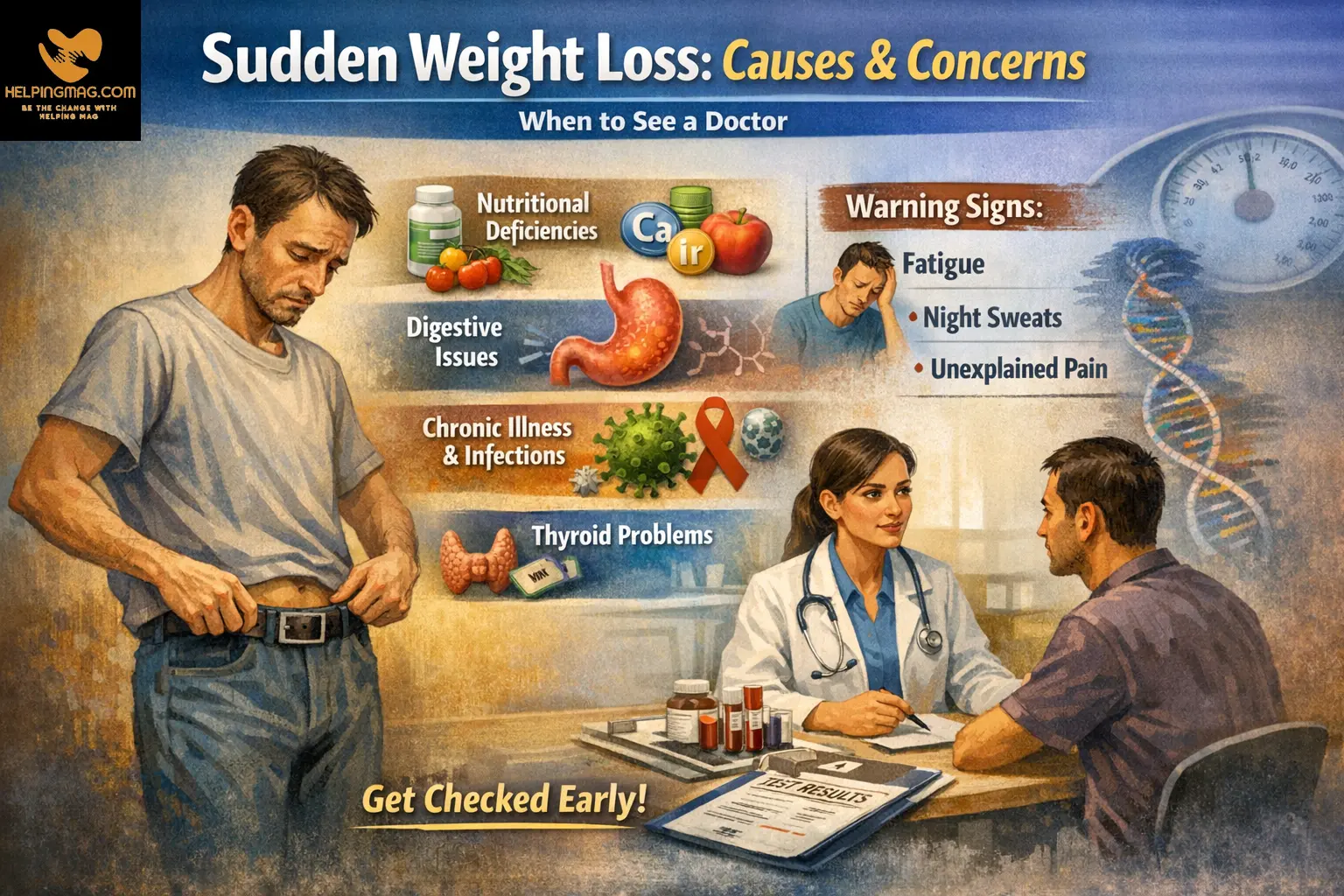
1. Nutritional Deficiencies
The absence of essential nutrients including vitamin D, iron or B-complex vitamins may lead to muscle health and metabolism disorders.
A deficiency of vitamin D can result in fatigue, muscle weakness, and bone pains – in men, these are commonly attributed to vitamin d deficiency symptoms in men.
Diseases The malabsorption of nutrients can also be apparent in the case of inappropriate intake of supplements. Knowing the best time to take multivitamins will enhance the absorption of vitamin supplements and maintain good health.
2. Digestive Disorders
Digestive issues may not allow the body to absorb nutrients.
Examples include:
- Celiac disease
- Crohn’s disease
- Ulcerative colitis
- Chronic gastritis
These cases can contribute to inefficient use of nutrients and loss of weight.
3. Chronic Stress and Anxiety
Stress influences the balance of the hormone and the appetite.
High stress levels may cause:
- Reduced appetite
- Increased metabolism
- Digestive disturbances
These may cause observable weight loss with time.
4. Diabetes
Sudden weight loss due to uncontrolled diabetes is the inability to use glucose as energy and it may lead to diabetes.
Common symptoms include:
- Excessive thirst
- Frequent urination
- Fatigue
5. Thyroid Disorders
Hyperthyroidism is an overactive thyroid.
Symptoms may include:
- Rapid weight loss
- Increased heart rate
- Anxiety
- Sweating
6. Chronic Infections
Chronic infections can raise energy consumption in the body.
Examples include:
- Tuberculosis
- HIV
- Parasitic infections
The immune system also may be weakened by infections, and the signs of weak immunity may include constant ill health or slow recuperation.
7. Cancer
Uncommon causes of sudden loss of weight include in the initial stages of cancer because of elevated metabolic rate and loss of appetite.
Cancer is however not always just a result of weight loss.
The Effects of Nutrient Deficiencies on Body Mass
The micronutrients are relevant in muscle maintenance and metabolism.
Deficiency of vitamin D can lead to:
- Muscle weakness
- Fatigue
- Reduced physical activity
These factors may indirectly affect body weight and overall health.
Vitamin deficiency can also have an impact on bone strength and joint wellbeing. Certain patients with weakness or joint pain can also use home remedies for knee pain as they alleviate their underlying nutritional disorders.
Warning Signs That Need Medical Attention
Consult medical attention when there is unanticipated weight loss in combination with:
- Persistent fatigue
- Fever
- Night sweats
- Severe digestive problems
- Unexplained pain
- Loss of appetite
These symptoms can be signs of a more underlying health condition.
The Procedure How Doctors Diagnose the Cause
Medical examination can involve:
- Blood tests
- Thyroid function tests
- Screening of nutritional deficiency
- Imaging tests
- Stool tests for infections
The cause is identified to aid in determining how to treat it.
Unintentional weight loss can be prevented
Dangerous living may be lessened through poetic ways of living.
Eat well balanced diet
Include foods rich in:
- Protein
- Healthy fats
- Vitamins and minerals
Get adequate sunlight
Vitamin D is generated by sun exposure.
Support immune health
Constant exhaustion and frequent contagious diseases might be the signs of weak immunity, and these problems can be properly tackled by means of McDonald meal and sleep or stress control.
Regulate the optimum supplement time
Correct use of the supplements, such as learning the best time to take multivitamins optimally, helps in better absorption of the nutrients.
Frequently Asked Questions
Does that mean that abrupt weight loss is dangerous?
Unexplained weight loss that persists over a number of weeks should be considered, although not necessarily.
Does the lack of vitamins result in weight loss?
Yes. Deficiency in nutrients can have an impact on metabolism, appetite, and muscular health.
When should I see a doctor?
Should a person lose more than 5 percent of body weight on nonlifestyle changes.
Conclusion
An unintentional loss of weight suddenly can be an indicator of one or many other underlying health conditions such as nutritional deficiencies or hormonal imbalances, or even infections.
By learning how to diagnose the cause of unexplained weight loss, early diagnosis and treatment is made possible. Biomarkers, modulation of immune functionality, and healthy lifestyles are some of the examples to help prevent illnesses over the long term.In case the weight loss becomes persistent or comes together with exhaustion, stomach problems or chronic illness, it is necessary to be examined medically.