Introduction
The immune system is what takes place behind the scenes on a daily basis to take care of you against bacteria, viruses, toxins, and infections. It is a vast web of white blood cells, tissues, organs and proteins which act as the mechanism of defense of your body.
Nevertheless, the currently adopted lifestyles (such as unhealthy food, constant stress, insomnia, exposure to pollutants, and nutrient deficits) are compromising the immune systems of people all over.
Recognizing early signs of weak immunity is essential to prevent long-term health complications. Once your immune system is weakened even the simplest infections are likely to evolve into recurring or chronic ones.
The National Institutes of Health (NIH) have indicated that micronutrients such as vitamin D, zinc, and vitamin C are very important in keeping the immune healthy.
This is a detailed source of information on how to boost immunity through natural means, causes, and symptoms of immunosuppression.
What Is a Weak Immune System?
A weak immune system (immunodeficiency) is a condition that happens when the organism is unable to protect itself against infection and instruments.
This can be:
- Stressful (temporary because of stress, illness, insomnia etc.)
- Chronic (because of long term lifestyle habits or even medical conditions)
There is a higher risk of your body to viruses, bacteria and inflammatory related diseases when you lack immunity.
15 Major Signs of Weak Immunity
The most critical and medically known warning symptoms will be found below.
1. Frequent Colds and Flu
It is okay to get the cold once in a while. Nevertheless, when you find yourself having repeated infections after every few weeks, or prefer taking a long time compared to normal to recover, this reflects a sign that your immune system is not performing well.
2. Constant Fatigue
Constant fatigue despite taking a sound sleep is a significant warning. VITAMIN D DEFICIENCY SYMPTOMS IN MEN is also associated with chronic fatigue, thereby having a direct influence on the immune system.
3. Slow Wound Healing
The slow healing process of cuts or bruises is a sign of low immune performance and poor response of the body to inflammation.
4. Digestive Issues
Almost 70 percent of the immune system is located in the gut. Symptoms like:
- Bloating
- Diarrhea
- Constipation
- Frequent stomach infections
may signal poor gut immunity.
5. Recurring Infections
Repeated:
- Sinus infections
- Ear infections
- Urinary tract infections
- Skin infections
indicate the deregulation of immunity.
6. High Stress Levels
Persistent stress elevates the cortisol level that inhibits the functioning of the immune cells. Stress also affects the immune system in the body of a person greatly especially when it is chronic.
7. Poor Sleep Quality
Lack of sleep decreases the production of infection fighting antibodies and immune cells.
8. Cold Hands and Feet
Inadequate distribution of blood can decrease the distribution of immune cells in the body.
9. Skin Problems
Immune imbalance can be associated with frequent rashes, dry skin or eczema flare-ups.
10. Hair Loss
Thinning of hair can happen in case of the instability of immune regulation due to autoimmune conditions.
11. Persistent Inflammation
Chronic inflammation may reduce immunity, and predispose one to lifestyle diseases.
12. Joint and Muscle Pain
Immune stress may be expressed through body aches without straining the body. A lot of individuals visit HOME REMEDIES FOR KNEE PAIN in order to minimize inflammation by using nature.
13. Brain Fog and Poor Concentration
Immunological impairment and inflammation has the potential to influence mental acuity.
14. Frequent Fever
The signs of your immune system always combating infections would be recurring mild fevers.
15. Autoimmune Symptoms
Problems with the immune system manifest as the involvement of the immune system in assaulting normal tissues.
Typical Contributing Factors to Weak Immunity
The prevention is possible with understanding the causes.
1. Vitamin Deficiencies
Particularly, vitamin D, vitamin C, zinc, and B-complex.
Entry of the supplement is also inappropriate, thus decreasing absorption. Attempting to know the secret BEST TIME TO TAKE MULTIVITAMIN enhances immunity.
2. Poor Diet
Immunodeficiency is weakened by excess sugar, processed food and low protein consumption.
3. Lack of Sleep
Fewer than 6 hours of sleep repress immune systems.
4. Chronic Stress
Prolonged cortisol increase lowers the performance of white blood cells.
5. Sedentary Lifestyle
There is stagnation of circulation and immune cells activity.
6. Smoking and Alcohol
They both suppress immune defence mechanisms.
Risks to health of negligence of weak immunity
In case of lack of treatment, weak immunity may raise the chances of:
- Chronic infections
- Autoimmune diseases
- Respiratory disorders
- Cardiovascular disease
- Hormonal imbalance
- Long-term fatigue syndrome
Serious complications are averted through early intervention.
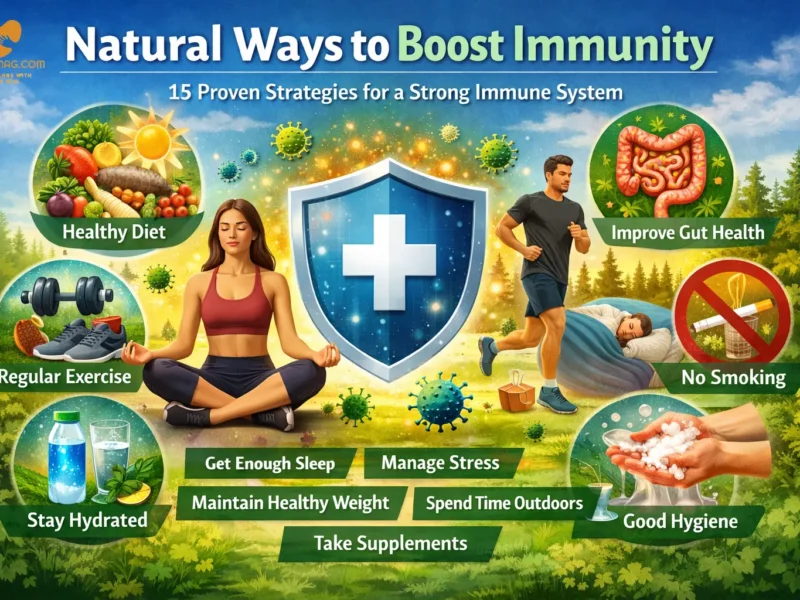
The Way to Keep Your Immune System Stronger
The methods that are science-backed are presented below.
1. Optimize Vitamin D Levels
Exposure to sunlight (15-30 minutes daily) has a great effect on the effectiveness of the immune system.
2. Improve Nutrition
Include:
- Leafy greens
- Citrus fruits
- Nuts and seeds
- Lean protein
- Probiotic-rich foods
3. Sleep 7–8 Hours Daily
The immune cells are able to regenerate during deep sleep.
4. Exercise Regularly
When one engages in moderate exercise it improves the flow of the immune.
5. Manage Stress
Practice:
- Meditation
- Deep breathing
- Yoga
- Journaling
6. Stay Hydrated
Water facilitates lymphatic detoxification.
7. Reduce Sugar Intake
The consumption of high amounts of sugar inhibits immune functioning in the following few hours.
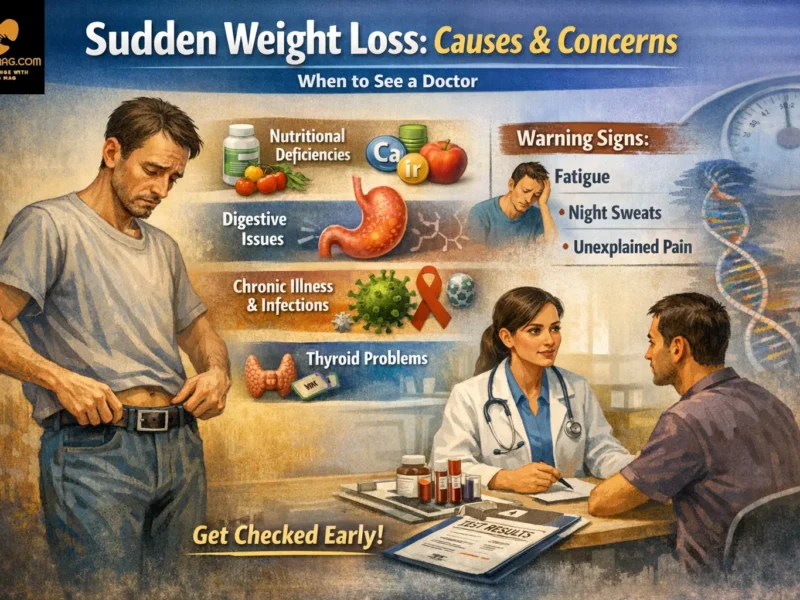
When Should You See a Doctor?
Address your medical care provider in case you experience:
- Frequent infections
- Persistent fatigue
- Unexplained weight loss
- Autoimmune symptoms
- Long-lasting fever
Deficiencies can be helped to be identified through a simple test of blood.
FAQs
What are the early signs of weak immunity?
Regular illnesses, tiredness, digestive issues and wounds not healing at a very quick rate.
Is it possible to use immunity permanuously?
Yes, through regular changes in lifestyle.
Does vitamin D boost the immunity?
Yes, vitamin D is an important factor in the immune cells mobilization and inflammation regulation.
Conclusion
Recognizing early signs of weak immunity can prevent serious health issues. Between regular symptoms of frequent infections to the long-lasting effects of tiredness and swellings, your body sends you signs that the immune defense in your body wears out.
Restoration of the immune strength and protection against long-term-healths can be achieved by rectifying the deficiencies, reducing stress, and maintaining a healthy lifestyle and engaging in improved nutrition.