Introduction
One of the most widespread forms of joint pain is knee ache that may emerge in persons of all age groups. Knee discomfort may interact with regular activities and mobility and is caused either due to injury or as an age-related factor or excess weight or inflammation or because of nutritional deficiencies.
Many people look for home remedies for knee pain before seeking medical treatment — especially when symptoms are mild to moderate.
Nevertheless, knee pains are not necessarily a mechanical problem. In other situations, it can be related to muscle weakness, inflammations, and even deficiencies of the nutrients. Indicatively, the case characteristic of low Vitamin D can lead to the bone hypovitaminosis and muscle pains, which in certain cases can be observed in the person in case of Vitamin d deficiency symptoms in men are manifested, including fatigue and poor physical performance.
It is a complete guide which illustrates:
- Common causes of knee pain
- Homestead 15 evidence-based home cures
- The role of nutrition and inflammation
- Indication of when to see a doctor
Knee Pain: Becoming familiar with the Causes
The knee is a complicated hinge joint which is held up by cartilage, tendons, ligaments and fluid-filled sacs.
Pain may occur due to:
1. Osteoarthritis
Breakdown of cartilages due to old age.
2. Ligament Injuries
Sports injuries (ACL), meniscus twisting or sudden assail and thwarts.
3. Tendinitis
Repetitive motion related inflammation.
4. Bursitis
Fluid sacs around the knee joint which is inflamed.
5. Nutritional Factors
Deficiency of vitamin D may make bones and muscles weak and this may also cause discomfort particularly in patients with overlap Vitamin d deficiency symptoms in men.
Medically reviewed information on knee disorders is available in Medline Plus:Knee Injuries and Disorders:
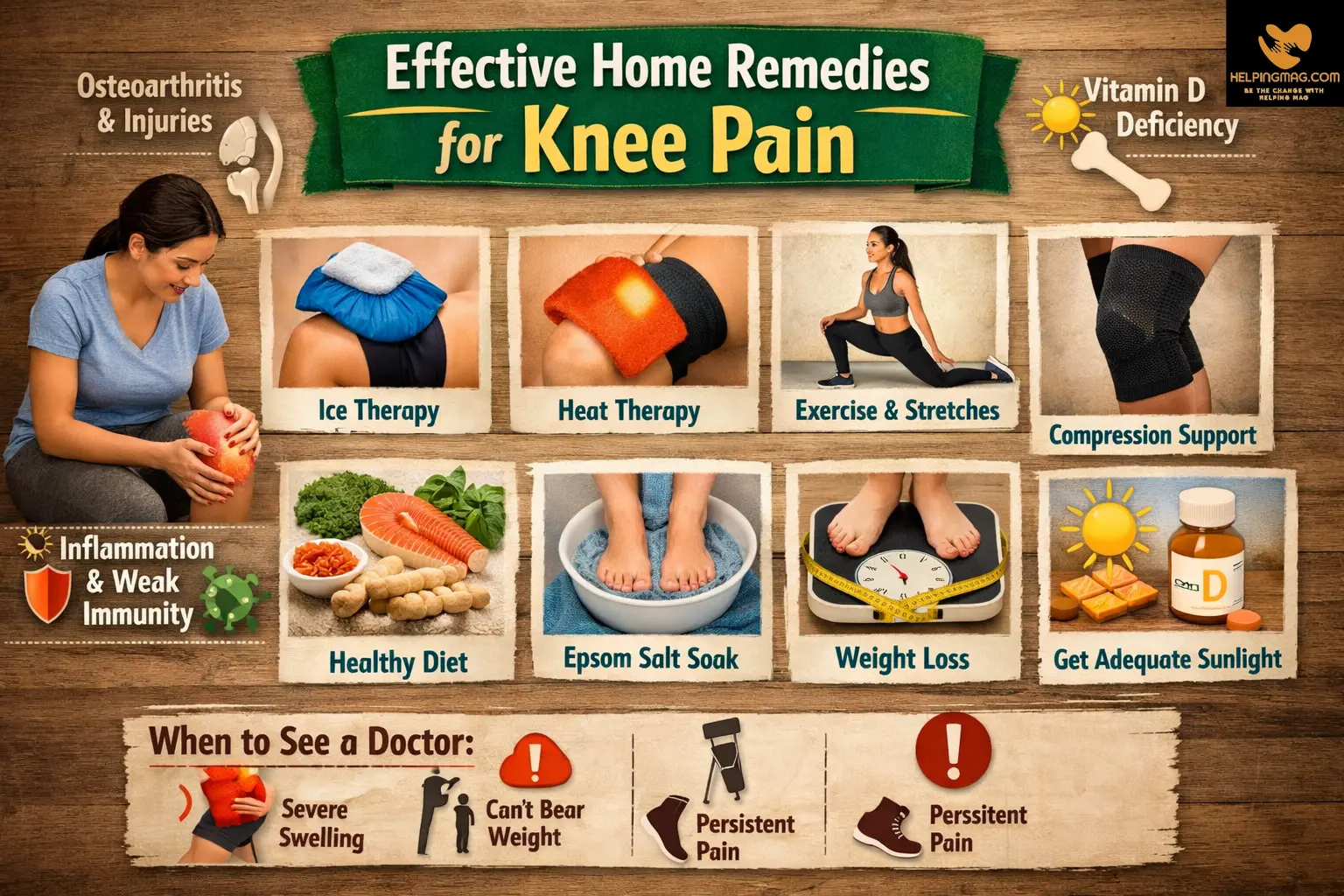
15 Effective Home Remedies for Knee Pain
The following are the natural methods that can be used to ease mild to moderate pain.
1. Ice Therapy
To help relieve swelling and inflammation, use ice for 15– 20 minutes.
Best for:
- Acute injuries
- Post-exercise pain
- Swelling
2. Heat Therapy
Warm compress enhances the blood flow and elasticity.
Best for:
- Chronic joint stiffness
- Morning discomfort
3. Strengthening Exercises
Good hamstrings as well as a strong quadriceps decrease the stress on the knees.
Examples:
- Straight leg raises
- Wall sits
- Step-ups
This is made stable with muscle support that holds the joint.
4. Low-Impact Activities
Swimming works and cycling are not tedious exercises that bank compress on the knee.
5. Weight Management
Additional weight causes the pressure in knee joints. Moving stress even to a moderate weight loss decreases the stress.
6. Anti-Inflammatory Nutrition
Include:
- Fatty fish
- Turmeric
- Ginger
- Leafy greens
- Berries
Chronic inflammatory activity can be combined with even more general signs of weak immunity, including loss of energy and delayed healing.
7. Adequate Vitamin D
Vitamin D helps in bone density.
Low levels may contribute to:
- Bone pain
- Muscle weakness
- Joint discomfort
Nutrient absorption can be enhanced through proper supplementation and knowledge of the best time to take multivitamins.
8. Epsom Salt Soak
Temporarily Magnesium is known to alleviate a stiff characteristic in the muscles.
9. Compression Support
Knee braces or knee compression sleeves can be helpful in offering support.
10. Stretching Routine
Stretching exercises are healthy as they enhance release and decrease rigidity.
11. Proper Footwear
Strict footwear decreases the misalignment of the joints.
12. Improve Sleep
Lack of good sleep may cause enhanced inflammation.
13. Stay Hydrated
Water helps in lubricating the joints.
14. Avoid Prolonged Sitting
Increased stiffness is as a result of prolonged immobility.
15. Observes Chronically Symptomatic Person
In case of pain for more than a few weeks, assessment should be evaluated.
The Connection between Immune Health and Knee Pain
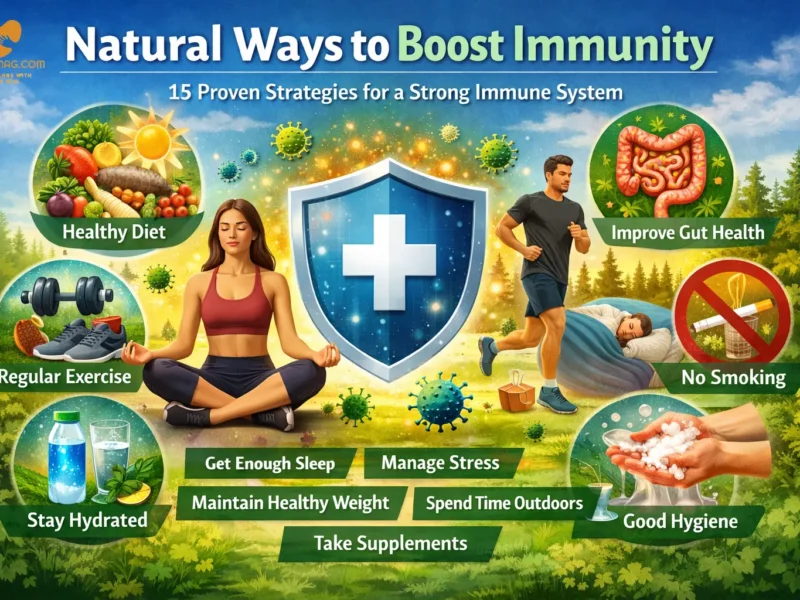
Immune response would include inflammation. Chronic inflammation can be delayed when there is the hampering of the immune balance.
A frequent infection, weakness, and slow recovery are the typical signs of weak immunity and can affect the development of chronic inflammation indirectly.
Immune health can be enhanced by means of proper nutrition and lifestyle improvement, which can enhance recovery of the joints.
When to See a Doctor
Seek medical attention when you have:
- Severe swelling
- Inability to bear weight
- Redness and warmth
- Fever
- Joint deformity
- Pain lasting more than 2–3 weeks
Home remedies are good at mild cases of inflammation yet not structural injuries.
Long-Term Prevention Strategy
- Eat in proper body weight
- Exercise regularly
- Strengthen leg muscles
- Get adequate sunlight
- Eat well balanced nutrition
- Support immune function
Frequently Asked Questions
Are there permanent cures of knee pain on a home basis?
They assist in the management of mild inflammation but allow no result in severe ligament or cartilage injury.
Do you think vitamin D deficiency is the reason behind painful knees?
Yes. Deficiency of vitamin D can make bones and muscles weak, which makes a person feel uncomfortable.
Does immunity influence the painfulness in the joint?
Immune imbalance chronic inflammation may affect the health of the joints.
Conclusion
Effective home remedies for knee pain can provide meaningful relief when discomfort is mild and inflammation-related. Joint health is supported by the use of ice therapy, exercises that may strengthen, anti-inflammatory food, and sufficient supplementation.
Nevertheless, the recurring knee pain can be an indication of underlying problems, such as inflammation, injury, or deficiencies over vitamin d deficiency symptoms in men and persistent signs of weak immunity.
Taking care of both the lifestyle and food facts is a guarantee of healthier joints, improved movement and long-term well-being.